
If you’re dealing with sticky residue, you’ll want options that blend plant-based power with easy-to-use formats. From enzyme-driven sprays and ready-to-use gels to wipes that tackle labels, wax, and adhesives, the 2026 lineup has you covered. Curious how each formula performs on different surfaces and how long you should wait before rinsing—it could change the way you tackle messes, once you know what to try first.
Important Facts
- Plant-based, ready-to-use options like Whip It Cleaner offer enzyme strength, cling gel, and surface-safe formulations for sticky residues.
- Goo Gone products provide spray, gel, and wipes with drip-free cling suitable for fabric, stone, glass, plastics, and wood.
- Mighty Melt and Carbona Stain Devils cover adhesive, fat, and oil residues, with clear surface- and fabric-use precautions.
- Look for gel or spray formats with explicit contact times, test patches, and safe-use guidance on porous or delicate surfaces.
- Consider brand reliability, consistent performance across formats, and warranties or support options for sticky residue removal.
Whip It Cleaner: Plant-Based Enzyme Stain Remover (32 oz)
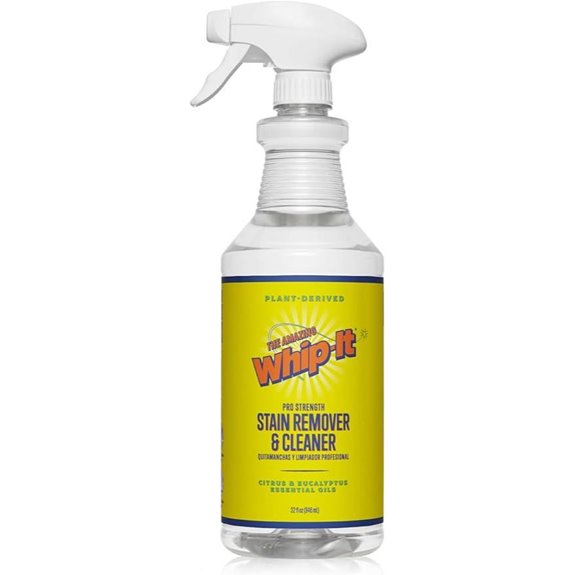
If you’re tackling a mix of food, coffee, wine, and pet stains, Whip It Cleaner stands out with its plant-based enzyme power and a 32 oz bottle that covers over 500 uses, making it a cost-effective, ready-to-use solution for households that value eco-friendly cleaning. You can spray and wipe away stains on fabric, carpet, and upholstery, with premixed formula labeled pro strength for tougher spots. It’s plant-based, containing no alcohol, ammonia, bleaches, or dyes, and is made in the USA. Use on most surfaces, but dilute on glass or stone and avoid porous, unsealed materials. Some stains may require repeats.
Goo Gone Adhesive Remover Spray & Sticker Lifter (2 Pack)
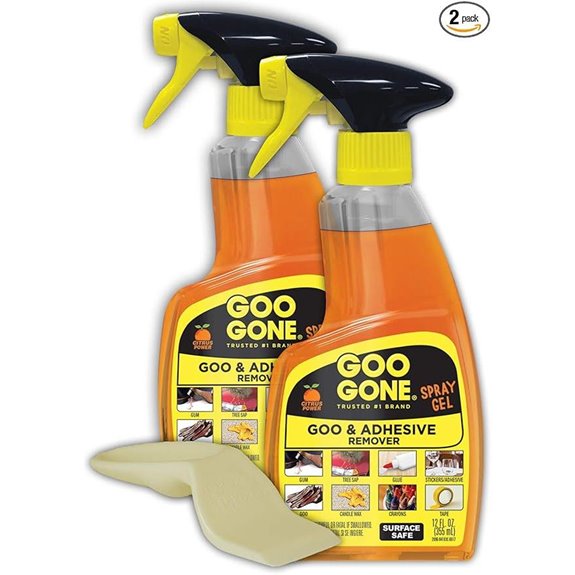
Goo Gone Adhesive Remover Spray & Sticker Lifter (2 Pack) stands out for anyone tackling vertical surfaces with stubborn residues. This thicker, gel spray delivers citrus power to break down gum, tape residue, stickers, grease, and more, while protecting finishes. You’ll appreciate its drip-free cling that stays where you apply it, giving adhesive time to break down before you lift with a scraper or cloth. Safe on surfaces, it won’t strip paint or cause harm. The two-pack offers versatile use for price tags, labels, oil, lipstick, and crayon marks, making it a trusted, surface-safe choice for sticky messes.
Goo Gone Adhesive Remover Wipes (2-Pack)
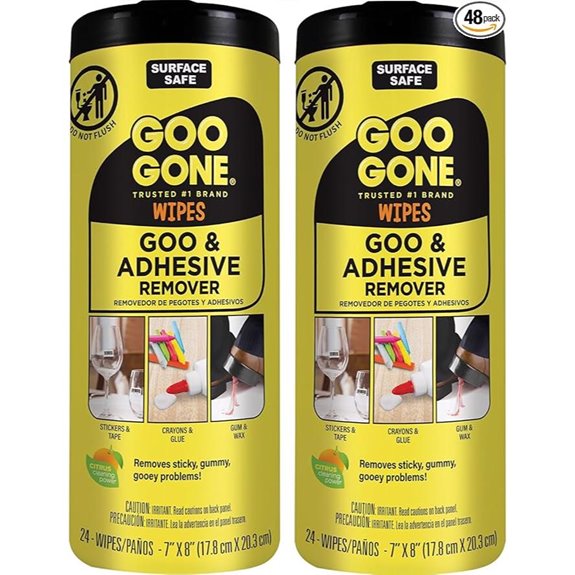
Looking for a quick, no-fuss cleanup? Goo Gone Adhesive Remover Wipes – 2 Pack help you tackle sticky messes fast. These pre-moistened wipes remove stickers, wax, markers, crayons, glue, tar, window decals, glitter, gum, and labels, with many more possibilities. It’s a trusted brand for gooey messes, delivering quick-clean benefits at home, in the car, garage, or kitchen. Use them as a wine glass label remover, tar cleaner, or crayon eraser, and enjoy a citrus-scented finish that won’t harm surfaces. Safe formulation with citrus agents restores surfaces without damage, keeping tools and crafts neat.
Goo Gone Adhesive Remover Spray Gel (12 oz)
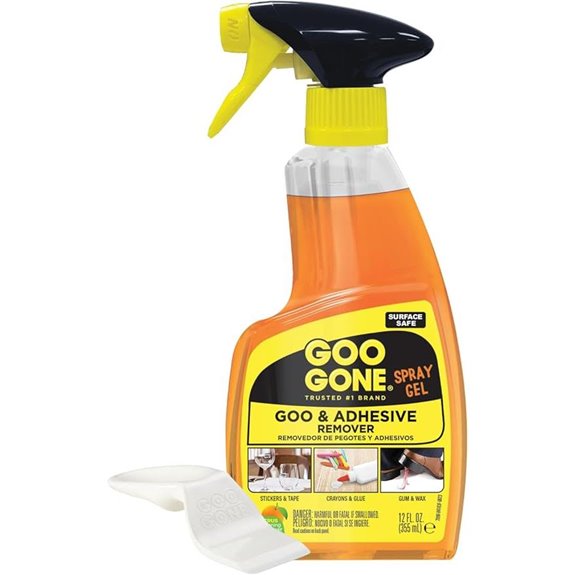
This 12 oz Goo Gone Adhesive Remover Spray Gel is the go-to choice if you’re dealing with tough sticky residues across multiple surfaces, from labels and tape to gum and candle wax. You’ll spray directly on the area, let the citrus-powered formula loosen the glue, then wipe or scrape clean. The thick gel clings to surfaces, providing better control and less mess, and it’s safe on hard surfaces, carpets, fabrics, sealed stone, glass, plastics, metal, and finished wood. Use it on labels, tape, tar, gum, candle wax, makeup, and more, in homes, offices, classrooms, or garages.
Mighty Melt Adhesive Remover with Fresh Citrus scent
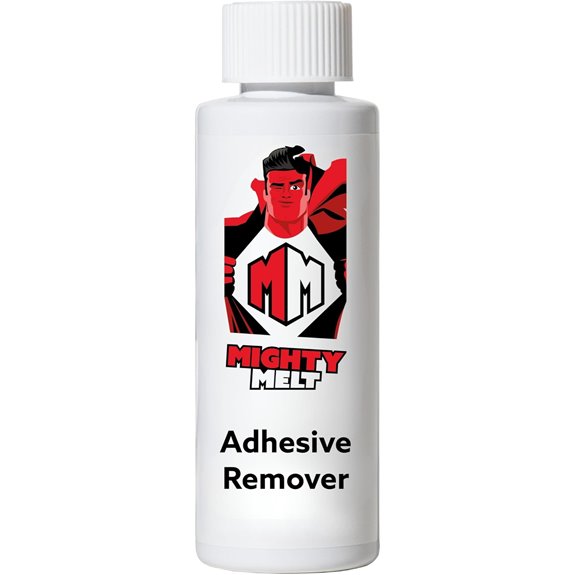
Mighty Melt Adhesive Remover with Fresh Citrus scent is the go-to choice for families and teachers dealing with sticky messes. This product tackles glue, stickers, labels, tape, decals, crayons, wax, tar, and more, without harming surfaces. Its surface-safe formula melts grime with citrus power, leaving a fresh scent. Size is 125ml / 4.2oz, ideal for school desks, home projects, and classroom cleanup. You’ll appreciate its multi-use ability—remove wine labels, erase scuffs, clean sills, lift adhesive, and handle general sticky scenarios. It’s a hero for parents and teachers, making treasures pristine and price stickers easy to remove. Keeps messes manageable and surfaces protected.
Carbona Stain Devils #5: Fat & Oil Remover
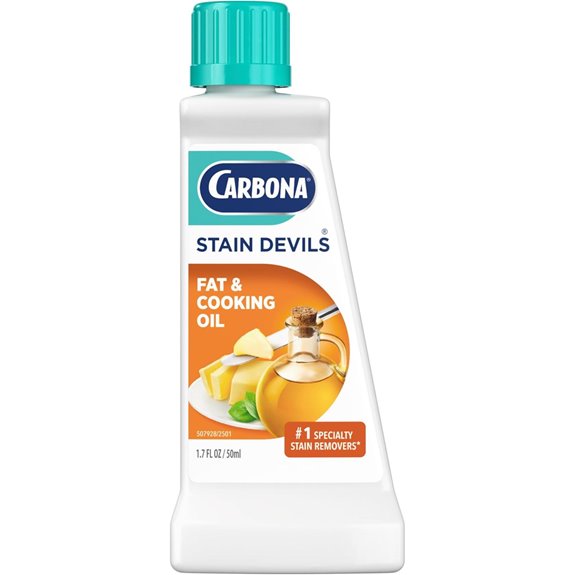
Carbona Stain Devils #5: Fat & Oil Remover is your go-to if you’re dealing with greasy messes like cooking oil or pesto on washable fabrics. This professional-strength laundry stain remover targets fat-based stains, including butter, margarine, cooking grease, oil, lard, and pesto. Safe for hands and environmentally friendlier for disposal, it’s designed for washable, water-safe fabrics—excluding silk, acetate, carpeting, and upholstery. Apply directly to the stain, don’t dilute, and place a white absorbent cloth beneath. Treat by tapping the stain onto the cloth, then rinse with warm water. Use this formula when fat-based spills strike.
Uni Solve 402300 Adhesive Remover Wipe, Pack of 50
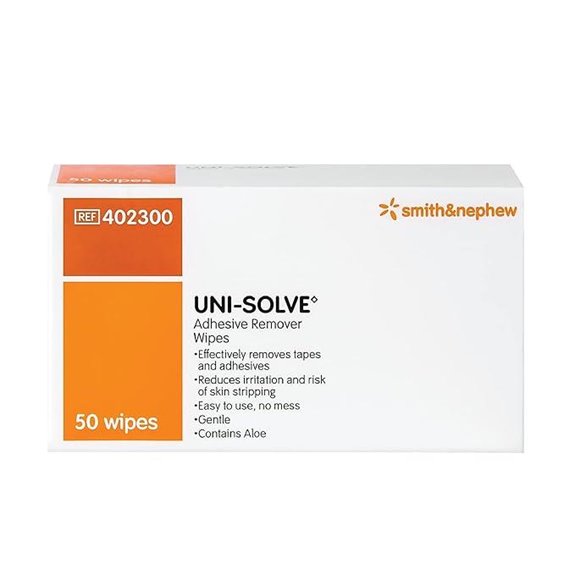
Uni Solve 402300 Adhesive Remover Wipe, Pack of 50, is ideal for anyone seeking a gentle, skin-friendly solution to remove medical adhesives, tapes, and residue without causing irritation. You’ll soften residue from dressings and appliances, minimizing skin trauma during removal. It’s suitable for acrylic-, rubber-, and hydrocolloid-based residues, and it moisturizes with aloe, keeping skin soft. The pleasant fragrance avoids harsh odor, and no ozone-depleting CFCs are involved. Use by applying at the adhesive edge, letting liquid flow between skin and adhesive, then slowly pull away. Rinse, pat dry, and avoid open wounds or mucous membranes.
Factors to Consider When Choosing Stain Remover for Sticky Residue
When choosing a stain remover for sticky residue, consider how effective it is on different stains and fabrics you’ll encounter. Check surface compatibility notes, so you don’t risk damage on wood, glass, or painted surfaces. Look at the application steps, ingredients, and safety precautions to ensure you can use it confidently and safely.
Effectiveness On Stains
Effective stain removal for sticky residues depends on the type of stain and the surface. Different stains respond to specific formulations: fat and oil stains often need fat-and-oil removers, while glue, stickers, and gum react to adhesive-focused products. Some stains require repeated applications for full removal, especially on porous or unsealed surfaces. Gel or spray formulations that cling to vertical surfaces can boost contact time and effectiveness on sticky residues. Surface compatibility matters: many removers are safe on hard surfaces but may be unsuitable for glass, marble, granite, or porous materials. Ingredient focus, such as citrus-based or plant-based enzymes, and formulation type, like premixed sprays versus gels, influence how well labels, tape residue, and gum break down.
Surface Compatibility Notes
Are you sure a stain remover will work on a given surface? Not all formulas suit every material. Some cleaners say they’re safe on most surfaces, but you may need to dilute for glass, marble, granite, or mirrored finishes. Porous or unsealed surfaces can absorb residues or solvents, reducing effectiveness and possibly causing staining or damage. Drip-free or gel/cling formulations help you apply precisely on vertical or delicate areas without excess run-off. Surface-safe claims often come with cautions to avoid unfinished wood, fabrics, or carpeting, depending on the product. Always check whether a formula targets hard surfaces, glass, fabrics, or wood, since a mismatch can impair performance and raise the risk of damage. Choose accordingly to protect your surfaces and achieve real results.
Application Method Steps
Ever wonder how to apply stain removers without making things messier? Choose a spray or gel that clings to vertical surfaces so adhesives break down with sit-time before you wipe or scrape. For spray gels, apply directly to the residue, let sit, then wipe or scrape; the gel’s consistency helps control application and reduces dripping. If you’re using wipes, fold the wipe to create a clean edge and rub the affected area to transfer the remover, then follow with a wipe or cloth cleanup as needed. Place a protective cloth beneath the stain to absorb runs and prevent spreading to underlying fabrics or surfaces. Reapply if residue remains, and ensure the surface is compatible with the remover’s formulation to prevent damage.
Formula And Ingredients
When choosing a stain remover for sticky residue, start with a plant-based formula that uses enzymes or citrus cleaners, typically derived from eucalyptus, citrus, or corn. Look for active stain-remover agents rooted in plant chemistry, avoiding harsh synthetic additives. Favor formulas free of alcohol, ammonia, bleaches, and dyes to minimize surface damage. Consider the gel or spray consistency, since cling and contact time matter on vertical or curved surfaces. Ensure the product is designed to be safe on most materials, while noting any cautions for delicate surfaces like glass, marble, or granite. Check labeling for “ready-to-use” premixed formulas and guidance on repeated applications for stubborn stains. Prioritize transparency about ingredients to verify a genuinely plant-based approach.
Safety Precautions
Choosing a stain remover for sticky residue demands careful safety checks, building on plant-based formulas and enzyme or citrus cleaners. Start by scanning for explicit safety statements like “surface-safe,” “not for porous/unsealed surfaces,” or “avoid glass, marble, granite” to protect fragile materials. Look for formulations that claim non-irritating or dermatologically tested results if skin contact is likely. Note any flammability warnings or VOC content, and keep away from heat sources or open flames where indicated. Confirm whether the product is safe for food-contact surfaces if you’re cleaning kitchens or dining areas. Review clear usage precautions, such as sit times and avoiding open wounds or mucous membranes for skin-related removals. Prioritize products with explicit precautions and practical guidance for safe, effective use.
Drying And Reapplication
Drying and reapplication matter, especially with sticky residue. Some stain removers need repeated applications to fully dissolve stubborn messes, so plan for multiple treatment cycles if needed. Premixed or gel formulations tend to cling to vertical surfaces longer, increasing contact time for sticky messes. For porous or unsealed surfaces, results may vary and repeated applications can risk surface damage, so test in a hidden area first. Drip-free or cling properties help minimize mess during application and reduce run-off when treating vertical or overhead surfaces. Monitor drying time; longer drying times can improve breakthrough of adhesive residues but may delay subsequent cleaning steps. If you’re repeating treatments, ensure each pass yields noticeable progress before moving on.
Brand Reputation Factors
Brand reputation matters because you want a remover you can trust across sprays, wipes, and gels. When you evaluate options, look for consistency in performance across formats, not just a single use. Trusted brands emphasize surface safety and non-damaging results, so you won’t worry about harming finishes while tackling adhesive residues. You’ll notice established names often promote time-dependent effectiveness, accepting that some stains need longer sit times or a repeat application for best results. Reputable brands highlight citrus or plant-based formulations as a selling point, offering safer, more pleasant-cleaning experiences. Reliability is reinforced by clear usage guidance, safety notes, and accessible support, including warranty or straightforward contact options, so you know where to turn if questions or issues arise.
Commonly Asked Questions
Are These Products Safe on All Fabric Types?
No, not on all fabrics. Read labels, test in an inconspicuous spot, and follow safety warnings. Delicate fabrics like wool, silk, and synthetics may react differently, so you might need specialized products or spot treatments. For tough stains on cotton or blends, you can often proceed, but avoid high heat until you’re sure. If unsure, consult the product’s guidelines or contact the manufacturer for fabric-specific advice.
How Long Should You Wait Before Washing After Application?
You should wait the recommended time on the product label, usually 5 to 15 minutes, before washing. If the stain’s stubborn, you can let it sit a bit longer, but don’t exceed the label’s guidance to avoid damaging fabrics. After waiting, launder as directed using the hottest water safe for the material. Check the stain before drying, since heat can set remaining residue. If it’s still there, repeat the treatment.
Do They Work on Old, Set-In Residue?
Yes, they can work on old, set-in residue, though results vary by fabric and stain type. Start by testing a small area, then apply the remover, gently agitate, and let it sit as directed. Reapply if needed and launder on the hottest safe setting. For stubborn spots, repeat steps before drying. Use stain remover as a pre-wash treatment, not a finish, and avoid mixing with incompatible cleaners.
Can They Remove Glue Residue From Wood or Paint?
Yes, they can, but you should test first. Glue residue on wood or paint may lift finish if you push too hard, so start with gentle options like mineral spirits or rubbing alcohol, then try a plastic scraper. If you’re wary, use a conditioning cleaner and soft cloth, and avoid soaking coatings. Work in small areas, wipe dry, and reseal or touch up afterward to maintain the look.
Are There Any Consumer Safety or Ventilation Tips?
Yes. When using stain removers, ensure good ventilation and wear gloves, eye protection, and a mask if you’re inhaling fumes. read labels for flammability and ventilation guidance, and never mix chemicals. work near a window or outdoors, keep kids and pets away, and store products away from heat. test a small area first, and follow disposal instructions. If you feel dizzy or irritated, stop and seek fresh air or medical help.