
Stains happen, and you deserve a reliable fix. You’ll want something that tackles berries, grease, and ink without harsh drama on your fabrics. The 2026 lineup brings options from on-the-go pens to soak-ready sprays, plus unscented plant-based formulas. Curious which blend fits your routine and wardrobe best? Let’s look at the standout picks and how they pair with your most common messes.
Important Facts
- Provides a diverse mix of stain removers (OxiClean Max Force, Spray ‘N Wash, Tide Pocket Pen, Miss Mouth’s, Puracy) for common 2026 stain types like berries, grease, wine, and baby stains.
- Highlights safety-focused options (EPA Safer Choice, dye- and chlorine-free formulas) suitable for whites, colors, and delicate fabrics.
- Emphasizes on-the-go formats (pocket pens, 4 oz sprays) for travel, purse, car, and family use.
- Explains application guidance: saturate, wait periods (5 minutes to 7 days), and wash in warmest safe water per fabric label.
- Notes fabric-care caveats: avoid non-colorfast fabrics, silk, khaki, or fluorescent fabrics; re-treat if needed.
OxiClean Max Force Laundry Stain Remover Spray Refill, 48 fl oz
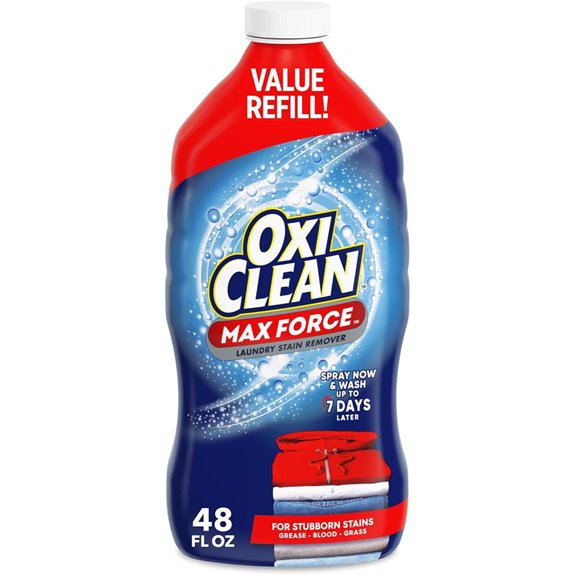
If you’re tackling dried-in stains and want a refillable option that keeps your laundry routine simple, OxiClean Max Force Laundry Stain Remover Spray Refill (48 oz) is a strong pick. This 48 FL OZ bottle delivers 5-in-1 stain fighting, targeting set-in messes from berries, grease, coffee, wine, ink, mud, and more. You spray directly on stains until saturated, wait 5 minutes (or up to 7 days), then wash in warmest water your fabric accepts. It’s dye-free, chlorine-free, and safe on whites and colors, working on all machine-washable fabrics, including baby clothes and denim. Spray now, wash later for convenience.
Tide Stain Remover Pocket Pen, Travel Size
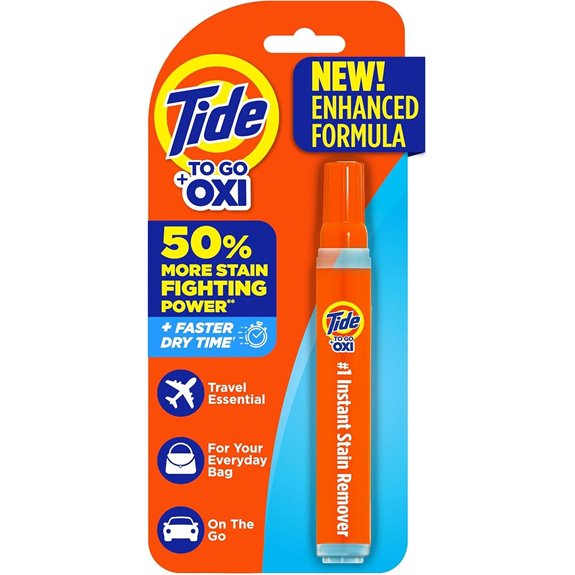
The Tide Stain Remover Pocket Pen, Travel Size is ideal for on-the-go touchups, delivering instant stain removal in a compact, pen-like format that fits neatly in a purse, briefcase, or car compartment. You get a portable, pen-like design that stops stains on the spot, with travel and pocket size you can carry anywhere. It targets tough fresh stains from foods and drinks, before they set, without mess or bleach. To use, remove excess, press the tip to release solution, rub gently, and repeat if needed. Works on tomato juice, ketchup, BBQ sauce, wine, coffee, tea, and chocolate syrup. Count: 1.
Miss Mouth’s Messy Eater Stain Treater Spray (4oz 3 Pack)
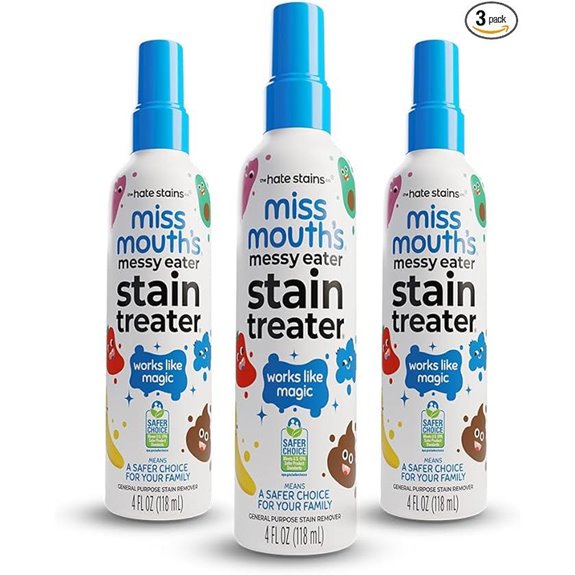
Miss Mouth’s Messy Eater Stain Treater Spray (4oz 3 Pack) stands out for households with infants and toddlers who deal with frequent spills. You spray this 4oz bottle on stains from fruit juice, baby food, formula, ketchup, blowouts, blood, grease, coffee, and more, on clothes, upholstery, and carpets. It’s SAFER CHOICE CERTIFIED by EPA, so you get safer use with kids and textiles. For quick action, dampen dry stains, spray Miss Mouth’s, and rub if needed, then launder as usual and repeat if needed. Each pack includes three bottles—newborn and baby essentials without dry cleaning. Suitable for underwear and home fabrics.
Spray ‘N Wash Max Laundry Strain Remover 16 oz, Packaging May Vary
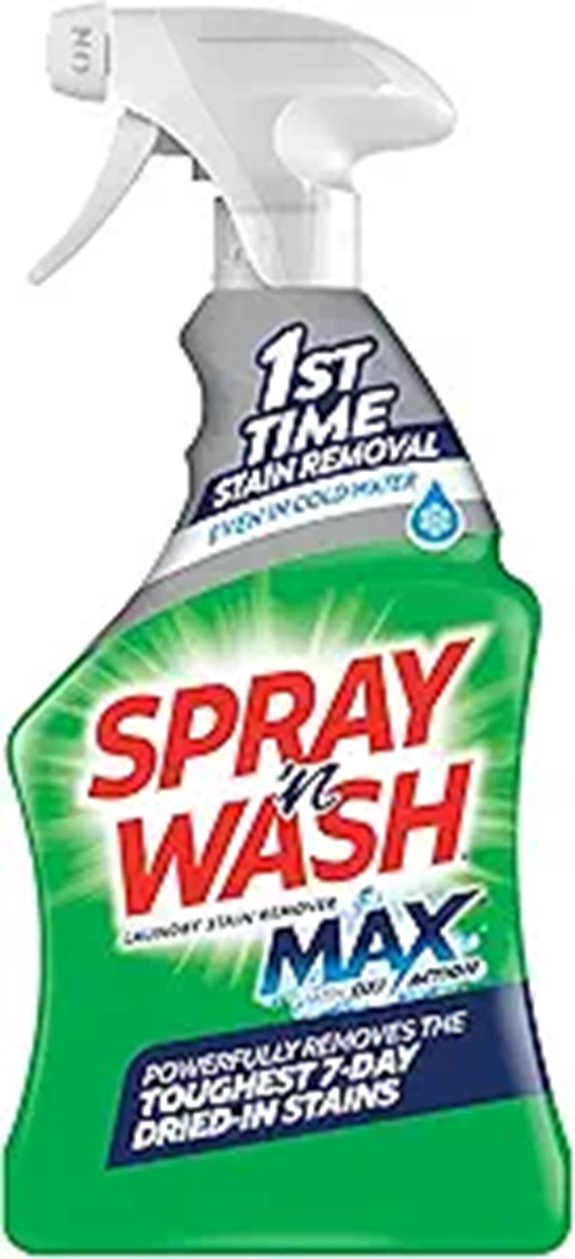
Spray ‘N Wash Max Laundry Strain Remover 16 oz stands out for tackling tough, everyday stains with first-time effectiveness, making it a strong pick for busy households. You’ll see it beat everyday stains faster than detergent alone and handle grease or dirty motor oil when treated promptly. You can use it with other laundry additives and it works in all temperatures. Treat and launder while the stain is fresh for best results. It’s safe for colorfast washables, though not for washable silk, khaki, or fluorescent fabrics. With the power of Spray n Wash, you can fight tough stains more confidently.
Miss Mouth’s Messy Eater Stain Treater Spray 16oz
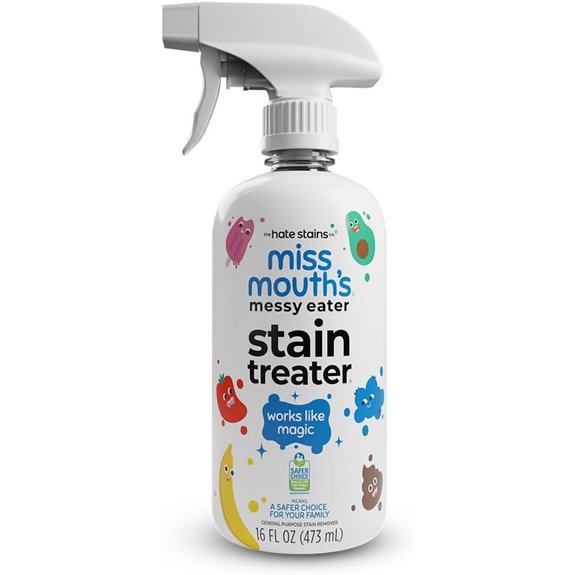
Designed for families juggling messy meals and busy days, Miss Mouth’s Messy Eater Stain Treater Spray stands out as a go-to pick for the 7 Best Stain Removers for Clothes in 2026. You get a 16oz spray, safe for newborns through adults, and suitable for clothes, upholstery, and carpets. SAFER CHOICE CERTIFIED, it targets fruit juice, baby food, formula, ketchup, blowouts, and blood, effective on fresh or set-in stains. Fast, powerful results come from dampening the stain, spraying, and rubbing if needed, then washing. If a stain persists, repeat. Ideal for everyday fabrics and general fabric care.
OxiClean Max Force Stain Remover Spray (3-Pack)
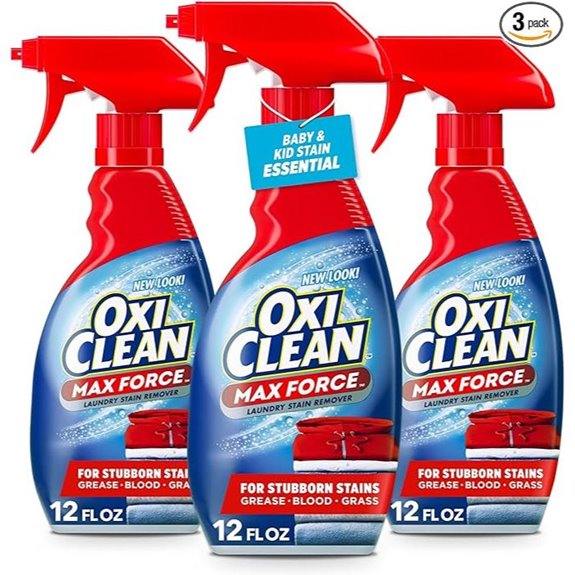
OxiClean Max Force Stain Remover Spray (3-Pack) stands out for busy households that want powerful, 5-in-1 stain fighting in a ready-to-use spray. You spray to saturate, wait five minutes (up to seven days), then wash with regular detergent in warmest water per fabric label. It targets berries, baby food, fruit juice, grass, oil, grease, coffee, wine, chocolate, ketchup, blood, ink, and washable paint on all machine-washable fabrics. Safe for color and septic systems, it penetrates tough dried-in stains first time. This 3-pack provides 12 fl oz per bottle, ideal for frequent, family-made messes. No chlorine bleach, dyes, or phosphates.
Puracy Stain Remover — Travel, Laundry, Unscented Spray
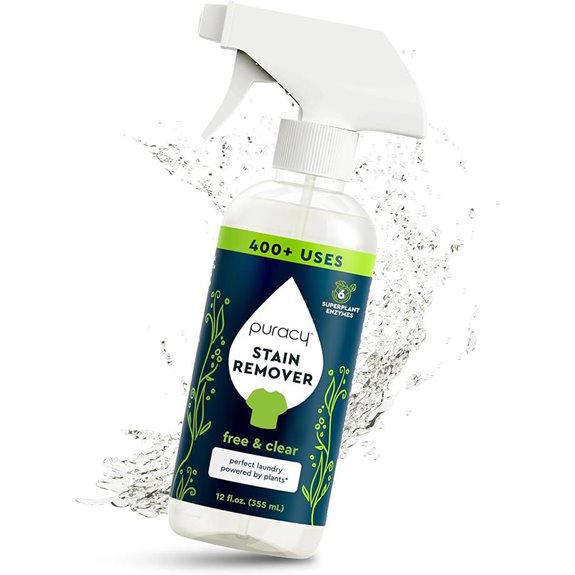
If you’re after a gentle-but-effective stain remover that’s safe for kids and pets, Puracy Stain Remover — Travel, Laundry, Unscented Spray fits the bill. This spray cleans both fresh and set-in stains on a wide range of fabrics, from delicate linens to upholstery, while following label directions. It tackles grass, red wine, makeup, and oil odors, leaving clothes smelling fresh. Formulated free of sulfates, parabens, bleach, and petrochemicals, it relies on plant- and mineral-derived ingredients plus safe synthetics. It’s designed for travel and laundry use, prioritizing family safety in production and application.
Factors to Consider When Choosing Stain Remover for Clothes
When you pick a stain remover, consider the stain type it handles best and how easily you apply it to fabrics. Look for clear guidance on waiting times, any tradeoffs between quick results and gentler formulations, and how it interacts with different temperatures and wash cycles. Finally, check fabric safety and the recommended methods to apply it so you don’t damage the material or color.
Stain Type Compatibility
Stain removers differ in what stains they target, so you should match the product to the specific culprit—berries, grease, ink, wine, or makeup—for the best results. Look for labels listing targeted stains like berries, grease, ink, wine, makeup, and others, so you know what they handle best. Consider whether the formula works on fresh versus set-in stains, since immediate treatment often yields faster, fuller removal. Check fabric guidance to confirm machine-washable suitability for whites, colors, denim, towels, sheets, and various garments. Some products extend beyond clothing to upholstery, carpets, and baby fabrics, broadening your options but demanding careful use. Safety notes, such as dye-free, chlorine-free, or Safer Choice certifications, help protect delicate fabrics and household use. Choose compatibilities that align with your typical stain profile and laundry routine.
Application Method Ease
Application method ease matters because you want a stain remover that fits your routine, not one that complicates it. Look for products that align with how you treat stains: spray-on saturating action is convenient for quick targets, while some formulas let you wait days for set-in stains without laundering immediately. If you prefer fresh-stain treatment, choose options that emphasize treating while it’s still new. Consider whether you need pre-wetting; some sprays require dampening with water first, others need no pre-wetting at all. Pay attention to the common steps: applying, waiting, and then laundering in warmest water safe for the fabric. Simplicity matters, so pick a method that minimizes extra steps while delivering effective stain removal.
Waiting Time Tradeoffs
Waiting time isn’t one-size-fits-all: your stain remover should flex to your schedule. You’ll find options that need 5 minutes to several days before washing, so you can pick what fits your routine. Shorter waits, around 5 minutes, work for immediate pretreating before a standard wash and keep you moving. Some products explicitly allow waiting up to 7 days, helping with stains you don’t get to right away. This flexibility lets you tailor treatment to your timetable without sacrificing results. Longer waiting times often pair with pretreatment steps and warmer wash temps to boost tough stain removal. Consider your typical laundry rhythm, water temperature options, and the stain’s stubbornness when weighing tradeoffs. The right waiting window balances convenience with effectiveness.
Fabric Safety Considerations
When choosing a stain remover, safety for your fabrics should guide your pick as much as effectiveness. Look for fabric-safe labels like color-safe or colorfast, and claims that the product is safe for all machine-washable fabrics or specific materials (cotton, polyester) without chlorine bleach or dyes. Check for no chlorine bleach, no brighteners, no dyes, and no phosphates to reduce potential damage to fabrics and dyes. Verify temperature guidance; products that specify washing with the warmest water allowed by the fabric label help ensure stain removal without harming fabrics. Favor formulas described as gentle or suitable for newborns, babies, or infant clothes, which often indicate milder ingredients for sensitive fabrics. Consider certifications like EPA Safer Choice as indicators of safer formulations for fabrics.
Temperature and Wash
Temperature matters because heat can release a stain’s grip while also risking fabric damage if you go too hot. When you treat with stain removers, many products recommend washing in the warmest water the fabric tolerates to maximize stain removal after treatment. Some formulas also let you wait after application—think 5 minutes up to 7 days—to boost penetration and lift. If a stain feels stubborn, re-treatment or a second application may be needed, even after washing. Always check the garment label to confirm wash temperature compatibility and avoid damage with pre-treaters. Compatible fabrics typically include machine-washable cottons, linens, synthetics, and blends; delicate items may require gentler temperatures or avoiding certain treatments. Temperature and wash choices directly impact stain removal success.
Ingredient Safety Profile
Choosing a stain remover isn’t just about cleaning power—it’s about safety for you, your family, and your clothes. When you compare formulas, note chlorine-free and dye-free options to reduce fabric damage and color fading. Look for EPA Safer Choice certification, which signals a safer health and safety profile. Some products are labeled safe for all machine-washable fabrics, but may exclude delicate materials like washable silk or khaki, so check fabric notes before use. Ingredient blends vary—plant-derived, mineral-derived, and synthetic mixes aim to balance cleaning power with safety. Packaging may mention septic-system compatibility and suitability for homes with kids and pets. Prioritize clear labeling, and choose a formulation that aligns with your household’s cleaning needs and fabric care requirements.
Price and Value
Price per ounce drops as bottle size increases, so bigger containers often deliver better value than travel-sized options. When you compare, look at unit prices: 12–48 fl oz bottles usually beat 4–16 oz sprays or travel pens. 3-pack options (like 12 oz × 3) can further reduce the overall unit cost and extend your supply. Some brands emphasize formulations without chlorine, dyes, or added phosphates, which can influence value through safety and waste considerations. Multi-fabric use and “stain fighter” claims—such as 5-in-1 or 4x faster results—may lower what you spend on additional products. Refill formats offer long-term savings, but you’ll need a compatible dispenser and extra storage space to maximize value.
Packaging Versatility
Packaging versatility matters because you’ll want a stain remover that fits how you clean and when you’re on the go. You’ll find forms like sprays, pens, and bottles in sizes from travel/1-count to multi-pack options (3-pack or 16–48 fl oz refills). Refill options extend use on machine-washable fabrics, enabling spray-on treatment before washing (up to 7 days) in some products. Portable designs, such as pocket pens, offer on-the-go stain treatment that fits into purses, bags, car compartments, and briefcases. Multi-pack offerings cover households and baby essentials, often marketed as newborn- or kid-friendly. Packaging may vary, and some products emphasize safe, color-safe, chlorine-free formulas suitable for a wide range of fabrics. Choose versatility that aligns with your cleaning routine and travel needs.
Commonly Asked Questions
Do Stain Removers Stain Colorfast Fabrics Differently?
Yes, they can stain colorfast fabrics differently. Some removers use stronger solvents or enzymes that might affect certain dyes or finishes, causing fading or color changes if you patch-test or apply too long. You’ll want to choose a product labeled safe for colorfast fabrics, apply it to a hidden area first, and follow directions precisely. If a stain persists, rinse promptly and avoid heat until you’re sure color remains intact.
Are There Eco-Friendly Stain Remover Options Available?
You bet—eco-friendly stain remover options are available. Look for plant-based formulas with ambassadors like enzymes, citric acid, baking soda, or soapberries, and choose products labeled biodegradable and phosphate-free. You can also make your own: apply a paste of baking soda and water or white vinegar and a touch of dish soap. In a pinch, try old-school bicarbonate and lemon. It’s a win-win, green on grime and gentler on your fabrics.
Can These Products Damage Delicate Fabrics Like Silk?
Yes, some can damage delicate fabrics like silk. Always test on an inconspicuous area first, use the gentlest product, and follow label directions. For silk, opt for stain removers labeled safe for delicates or consider consulting a professional cleaner. Avoid chlorine bleach and vigorous rubbing. If a product is too harsh, switch to mild, silk-specific cleaners or dab with a diluted fabric-safe solution. Rinse thoroughly and air-dry away from heat.
How Should I Test a Stain Remover Safely at Home?
To test a stain remover safely at home, start by choosing an inconspicuous spot on the garment. Mix a small amount with water, apply softly using a cotton swab, and wait 5–10 minutes. Blot, don’t rub, and rinse. Check for color change or fabric sensitivity after drying. If no damage appears, try a diluted version on the stain. Repeat on a hidden area if unsure, and follow label instructions for best results.
Do These Products Leave Any Residue After Washing?
Yes, most leave minimal residue after a normal wash, but it depends on formula and rinse cycles. You could notice a faint film if you skip a full rinse or use a low-temp setting. Juxtapose this with a spotless result when you follow directions and pretest stains. You’ll feel clarity after the wash, not stickiness. If you still see residue, switch to enzymatic or oxygen-based options and increase rinse or add an extra cycle.