
Looking for cleaner options that cut through calcium buildup, you want results, you want reliability, you want simplicity. You’ll weigh fast-acting formulas, safer formulas, eco-friendly powders, and dual-action blends for pools, tubs, and bathrooms, all while weighing cost and compatibility with surfaces. If you’re curious about how these top picks stack up in real-world use, you’ll find practical insights and trade-offs that could steer your choice toward the right solution for your home.
Important Facts
- CLR Calcium Lime Rust Remover (22 oz) delivers fast, multi-surface calcium, lime, and rust removal with EPA Safer Choice certification.
- CLR Calcium Lime & Rust Remover, Free & Clear (26 oz) offers a dye- and fragrance-free option for sensitive spaces.
- Freelivity Heavy Duty Toilet Bowl Cleaner Powder provides biodegradable descaling with plastic-free packaging, ideal for septic-safe use.
- AquaDoc Pool & Spa Stain & Scale Control (64 oz) targets calcium, iron, and rust while softening water for pools and hot tubs.
- AquaDoc Pool & Hot Tub Stain Remover (1 Gal) is a US-made all-surface descaler for calcium buildup in varying finishes.
CLR Calcium Lime Rust Remover, 22 oz Spray Bottle
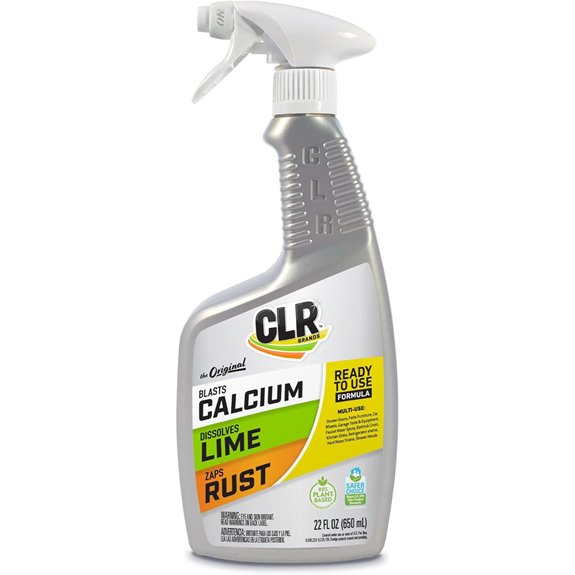
If you’re tackling calcium buildup across multiple surfaces, CLR Calcium Lime Rust Remover, 22 oz Spray Bottle stands out for its all-in-one versatility. You’ll find hundreds of uses in bathrooms, kitchens, dishwashers, coffee pots, and siding, making it a single solution for calcium, lime, and rust. It’s multi-surface, cleaning stainless steel, glass, ceramic tile, porcelain, concrete, brick, vinyl siding, and chrome with fast-acting results that shine shower heads, countertops, bathtubs, fixtures, and sinks. EPA-Certified Safer Choice means a safer alternative to harsh chemicals, without phosphates, ammonia, or bleach. Trusted for 40 years, it tackles tough stains on various appliances and surfaces.
Freelivity Heavy Duty Toilet Bowl Cleaner Powder
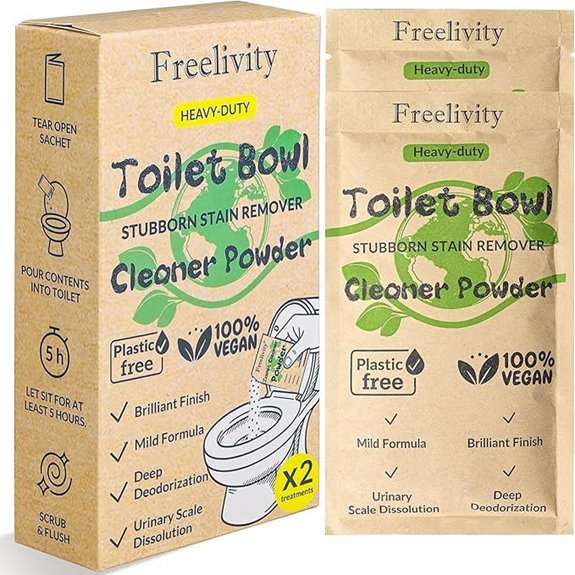
Freelivity Heavy Duty Toilet Bowl Cleaner Powder stands out for eco-conscious homes that want real descaling power without harsh chemicals. This plastic-free, mineral-based powder tackles limescale, hard water, mineral deposits, and odors with an ultra-efficient formula developed by scientists and tested against leading brands. It’s septic-safe, chlorine-free, and completely biodegradable, so it won’t harm your plumbing or septic system. Simply pour, let sit for five hours, scrub if needed, and flush. For best results on stains above the waterline, wet the area before applying. You’ll appreciate its low-corrosive action and the confidence that persistent buildup can be removed with patience.
CLR Calcium Lime & Rust Remover, Free & Clear (26 oz)
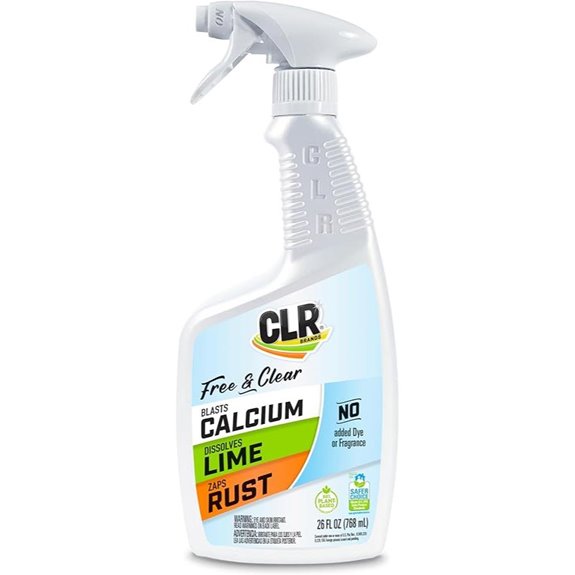
CLR Calcium Lime & Rust Remover, Free & Clear (26 oz) stands out for budget-conscious cleaners who want a multi-surface solution without dyes or fragrances. You’ll find it works across bathrooms, kitchens, dishwashers, coffee pots, and even siding, thanks to hundreds of uses. This multi-surface cleaner tackles stainless steel, glass, ceramic tile, porcelain, concrete, brick, vinyl siding, and chrome, removing calcium, lime, and rust deposits while displacing discoloration from grout and glassware. It’s EPA Safer Choice, contains no phosphates, ammonia, or bleach, and comes in a dye- and fragrance-free formula for economical cleaning that shines fast.
AquaDoc Pool & Hot Tub Stain Remover, 1 Gal
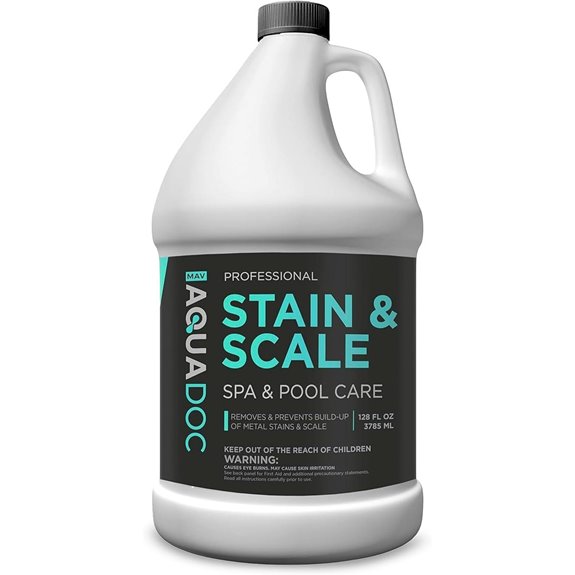
AquaDoc Pool & Hot Tub Stain Remover, 1 Gal stands out for pool and spa owners who need a versatile, all-surface solution to tackle calcium, iron, and rust buildup. This stain and scale remover works on plaster, vinyl, fiberglass, quartz, pebble, and painted finishes, making it suitable for gunite pools and spas as part of routine maintenance. It acts as a descaler for metal deposits, helps prevent rust and mineral scale, and aids water clarity while keeping equipment running smoothly. Easy to integrate into care routines with a simple pour, it’s made in the USA and supported by a warranty.
AquaDoc Pool & Spa Stain & Scale Control 64oz
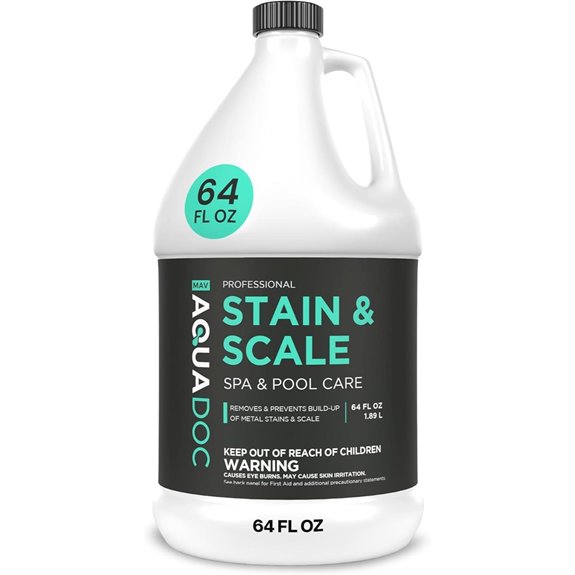
If you’re battling calcium and mineral buildup in your pool or hot tub, AquaDoc Pool & Spa Stain & Scale Control 64oz stands out with its all-in-one approach: it targets calcium, iron, copper, and rust while softening water, helping keep surfaces, equipment, and water balance clearer. This 64-ounce liquid fights tough deposits and reduces chalky buildup, safeguarding surfaces and components. It’s compatible with chlorine and bromine systems, acting as both a pool and spa descaler and softener. Made in the USA, it supports clearer water and balanced chemistry for hot tubs, pools, and equipment, delivering reliable calcium hardness control.
Factors to Consider When Choosing Stain Remover for Calcium Buildup
When you pick a stain remover for calcium buildup, start by checking its effectiveness on calcium and whether it’s suitable for the surfaces you’re treating. Consider the surface compatibility range, safety certifications, and how you apply the product to avoid damage. Also weigh environmental impact and how the application method fits your routine for a clean, responsible choice.
Effectiveness On Calcium
Calcium buildup demands a stain remover that’s fast-acting and target-specific, so look for products that explicitly advertise calcium or lime scale as their focus. You want a formula that’s designed to break down mineral deposits quickly, then displace discoloration and remove the lime scale effectively. Check for EPA Safer Choice or similar safety certifications, indicating fewer harsh chemicals while tackling calcium stains. Multi-surface compatibility matters, so choose options that work on porcelain, glass, ceramic tile, and stainless steel without damaging surfaces. Descaling agents in either powder or liquid form can boost removal, but follow contact-time instructions to maximize results. Prioritize products that demonstrate strong calcium bond disruption and verify that the formulation supports cross-surface performance to simplify maintenance across areas.
Surface Compatibility Range
Surface compatibility determines whether a stain remover will work without harming surfaces you care about. Many calcium buildup removers advertise multi-surface use, covering stainless steel, glass, ceramic tile, porcelain, concrete, brick, vinyl siding, chrome, and countertops. Some formulas are safe for bathroom fixtures and appliances (shower heads, bathtubs, sinks) as well as exterior siding, while others target plumbing or pool equipment. Certain products specify safety for plastic, porcelain, or grout, and may displace rust or lime discoloration on grout and glassware. Always check whether a product is labeled for porous surfaces (like grout) versus non-porous surfaces (like glass or ceramic) to avoid damage. EPA Safer Choice or lack of phosphates, ammonia, or bleach can indicate gentler formulations for sensitive surfaces.
Safety And Certifications
Choosing the right calcium buildup remover starts with safety and certifications. Look for EPA Safer Choice certification, which signals a safer formulation than standard cleaners and can reduce exposure risks. Check that the product avoids phosphates, ammonia, and bleach to limit surface damage and harsh fumes. Prefer formulas described as dye- and fragrance-free if you have sensitivities or want minimal residues. Ensure the product is suitable for multiple surfaces—bathrooms, kitchens, appliances—to prevent surface-specific risks and simplify your cleaning kit. Verify labeling for septic-safe claims, and seek low-corrosive formulas to protect plumbing and septic systems. In short, prioritize certifications, safer ingredients, and broad surface compatibility to balance effectiveness with safety.
Application Method
To apply stain removers correctly, always follow the product’s exact instructions, because some cleaners spray on while powders may require dilution, mixing, or a set contact time. Pick a remover compatible with your surface to avoid damage, such as multi-surface formulas or those made for porcelain or stainless steel targets. Apply evenly to calcium buildup and observe the recommended dwell time, which can range from 5 minutes to several hours. Then scrub or rinse as directed. For powders, dissolve or activate as instructed and use proper wetting techniques to address stains above the waterline. Rinse thoroughly after treatment to prevent residue and re-spotting, and reapply only if guidelines permit a second treatment.
Environmental Impact
When evaluating stain removers for calcium buildup, consider environmental impact to protect both your home and the planet. Look for EPA Safer Choice certification and formulas that are phosphate- and ammonia-free, which signal lower environmental risk than traditional acidic cleaners. Favor plastic-free packaging or fully biodegradable descaling agents to cut plastic waste and reduce persistence in septic systems. Mineral-based formulations often offer biodegradability and lower hazard profiles, aligning with eco-friendly cleaning goals. Choose products designed to be septic-safe to minimize disruptions to septic systems and surrounding soil microbiology. If possible, pick multi-surface cleaners with fast-acting calcium, lime, and rust removal to reduce the need for multiple chemicals, thereby decreasing overall chemical waste.
Odor And Fragrance
Odor and fragrance matter less in the cleanup than they do in your comfort. When choosing a calcium-buildup remover, consider odor as part of your space, not just the product. Some options are fragrance-free or dye-free to minimize post-use smells, which helps in bathrooms, kitchens, or small rooms. Fragrance-free formulas reduce irritants and surface distractions, though even unscented products can carry a light chemical note depending on the formulation. If odor matters, check labels for terms like fragrance-free, no dyes, or unscented, and read user feedback on scent impact. Certifications such as EPA Safer Choice often accompany low-odor, low-toxicity formulations, signaling balanced performance with gentler scents. Prioritize your comfort without sacrificing cleaning power.
Value And Bundle Size
Calcium buildup isn’t just about power—it’s about value over time. When you pick a stain remover, check bundle size and coverage: larger containers (64 oz or 128 oz) cut per-use costs and reduce repeat purchases, especially in hard-water areas. Compare multi-surface versatility; products that work on tiles, glass, stainless steel, porcelain, and concrete simplify buying fewer cleaners. Weigh formulations vs. dyes or fragrances—Free & Clear options suit sensitive spaces and odor sensitivity. Assess packaging waste too; plastic-free or biodegradable choices align with sustainability goals. Finally, review included use cases and dosage: powders or liquids with clear time-based instructions help you estimate labor and value for stubborn deposits. This combination drives long-term cost efficiency.
Commonly Asked Questions
Are These Products Safe for Septic Systems?
Yes, many stain removers are septic-safe, but you should check the product label for septic-system compatibility and avoid chlorine-heavy formulas. Look for enzymes or oxygen-based cleaners, as they tend to be gentler on septic tanks. Use the recommended dosages, don’t mix with other chemicals, and run water after use. If you’re unsure, test a small area first and consider contacting the manufacturer for septic-specific guidance. Regular maintenance keeps your system happier.
Do They Remove Calcium Without Damaging Stone Surfaces?
Yes—they can remove calcium without harming stone surfaces, but you must choose products labeled safe for stone and test first. Look for pH-balanced formulas and chelating agents that target mineral deposits without etching. Follow directions, apply, wait, and rinse thoroughly. Avoid acidic cleaners on marble or calcite; opt for stone-safe options on granite, quartz, or ceramic tile. If in doubt, contact the manufacturer or test in a small, inconspicuous area.
Can They Handle Hard Water Mineral Deposits Outdoors?
They can handle hard water mineral deposits outdoors, but you should choose products labeled for outdoor use and compatible with the surface. Start with a test in a hidden area, follow application directions, and keep pets and plants away. For stone, opt for non-acidic or buffered formulas to avoid etching. If deposits persist, you may need mechanical cleaning or professional help. Wear gloves, eye protection, and rinse thoroughly after treatment.
Are There Odor-Free Stain Remover Options Available?
Odor-free options exist, and you can choose fragrance-free formulas or products labeled “non-scented” to avoid lingering smells. You’ll find enzymatic and hydrogen peroxide-based removers that minimize odors while tackling stains. You’ll want to test on a hidden spot first and ensure ventilation. Like a quiet dawn after a storm, these gentle cleaners prove you don’t need harsh scents to reveal a brighter surface. Read labels, follow directions, and rinse thoroughly for best results.
How Long Before Results Are Visible on Calcium Buildup?
You’ll start seeing visible results within a few days to a week, depending on buildup size and the product you choose. For light films, expect 24–48 hours to show improvement, while heavy deposits may take multiple applications. Always follow label directions, apply evenly, and let it dwell as instructed. If you don’t see progress, reapply or try a different formula. Wear gloves, ventilate the area, and rinse thoroughly after treatment.