
You may be surprised to learn that not all adhesive removers are safe on every surface. In 2026, the best choices balance non-abrasive, water-based formulas with multi-surface versatility, from cars to wood to plastics. If you want a cleaner that’s quick to work and easy to rinse, you’ll want to compare options like spray-and-scrape kits versus wipe-on formulas. Keep going to see which stain removers top the list and why they fit your needs.
Important Facts
- Prioritize surface-safe, non-abrasive formulas suitable for car paint, glass, wood, plastics, and metals to protect finishes.
- Look for water-based, low- or no-VOC options to minimize odor and health risks while aiding quick evaporation.
- Consider citrus-based removers for goo, sticker, and label residue with minimal surface impact.
- For tougher residues, choose products combining solvent action with mechanical tools (spray, wipe, and scraper).
- Check guidance on dwell time and use with compatible tools (wipes, towels, plastic scrapers) for effective removal.
Goo Gone Clean Up Wipes – Adhesive Remover
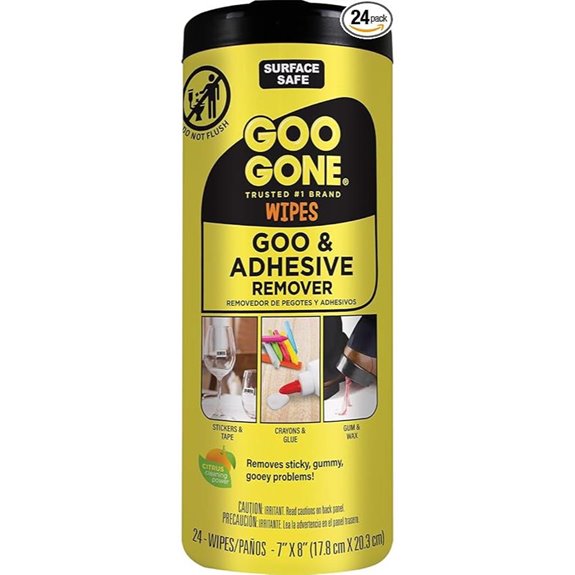
Goo Gone Clean Up Wipes – Adhesive Remover is the go-to pick for quick, everyday messes, especially if you’re dealing with sticky residue from labels, stickers, and tape. You’ll find 24 wipes that tackle adhesive, labels, and crayon with a safe, non-abrasive formula. You can use them on carpet, ceramic, glass, finished wood, plastics, painted surfaces, metals, and sealed stone without damage. This surface-safe option is designed for daily use and handles gum, grease, and residue from masking tape or ink spills. The wipes deliver ultra-convenience, restoring surfaces to their original condition when you can’t undo the mess.
Original Adhesive Remover – 6 oz Surface Safe
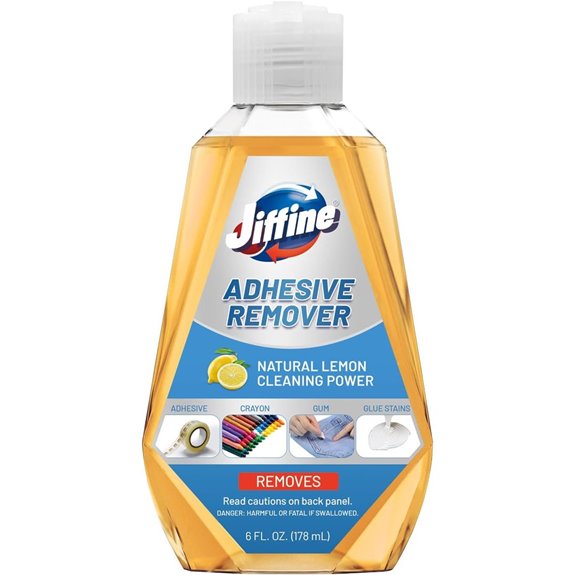
Original Adhesive Remover – 6 oz Surface Safe is ideal if you want a portable, water-based solution that tackles sticker, label, and residue without scratching or scraping. You’ll apply a small amount and let it sit briefly, then wipe away glue, decal, or tape residue with ease. This remover is surface safe for car paint, glass, carpets, and floors, so you won’t worry about damage. Its concentrated, water-based formula dissolves adhesives without harm, delivering instant, residue-free results. A little goes a long way, keeping costs down while covering daily messes across crafts, DIY projects, and household surfaces. Reliable performance, every time.
Orange-Sol Pro Contractors Solvent Adhesive Remover (12 oz)
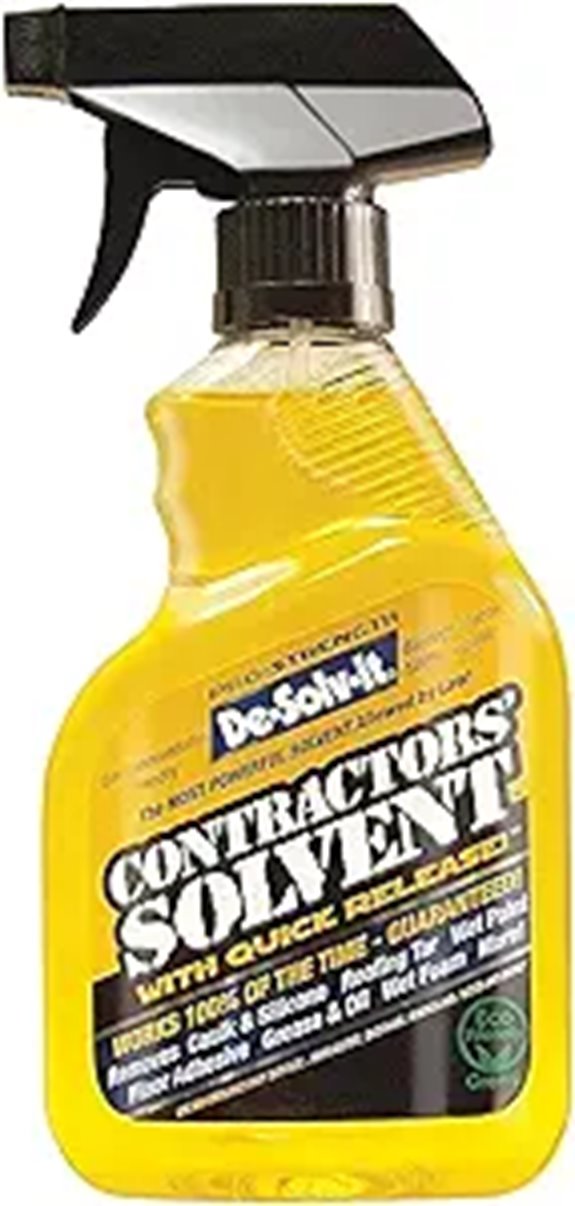
Orange-Sol Pro Contractors Solvent Adhesive Remover (12 oz) stands out for its user-friendly, non-toxic formula that safely dissolves adhesives, caulk, silicone, and tar without harsh vapors. You’ll appreciate its gentle-on-surfaces design, a non-corrosive silicone remover solvent that’s safe and non-toxic, with no harmful vapors, benzene, xylene, phosphates, toluene, or chlorinated solvents. This remover offers versatile cleaning power, tackling caulk, silicone, tar, paint, adhesives, and more. It’s easy to use—quick application, and most substances need only 20–30 seconds of sitting time. Suitable for multiple surfaces, including automobiles, dry paint, laundry, skin, and other materials you work with.
Goo Gone Original Liquid Adhesive Remover 8 oz
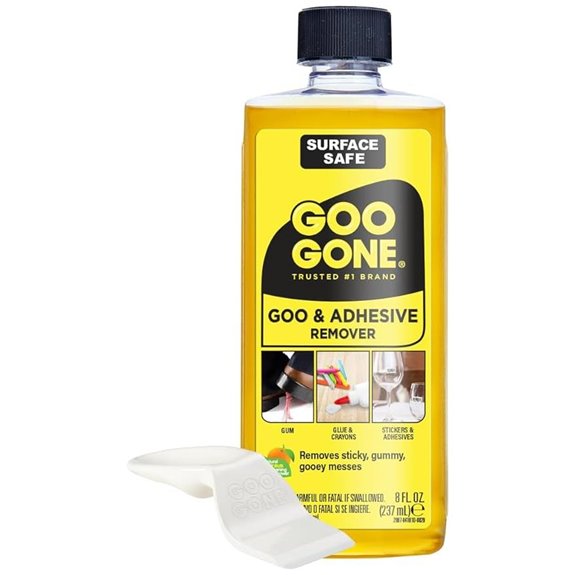
Need a reliable, surface-safe adhesive remover for stickers, labels, and gum? Goo Gone Original Liquid Adhesive Remover 8 oz is your go-to. This 8 oz bottle uses a surface-safe formula with citrus cleaning agents, removing goo without harming surfaces and leaving a pleasant scent. It tackles stickers, labels, decals, tape residue, crayons, glue, tar, wax, and gum so you can reclaim windows, glassware, and surfaces around home, classroom, or workshop. Trusted brand for gooey messes, it’s ideal for teachers, parents, and thrifters, helping you safely remove price stickers from gifts, glassware, clothing, and collectibles. Easy, effective, dependable.
Adhesive Remover Spray with Scraper and Towel
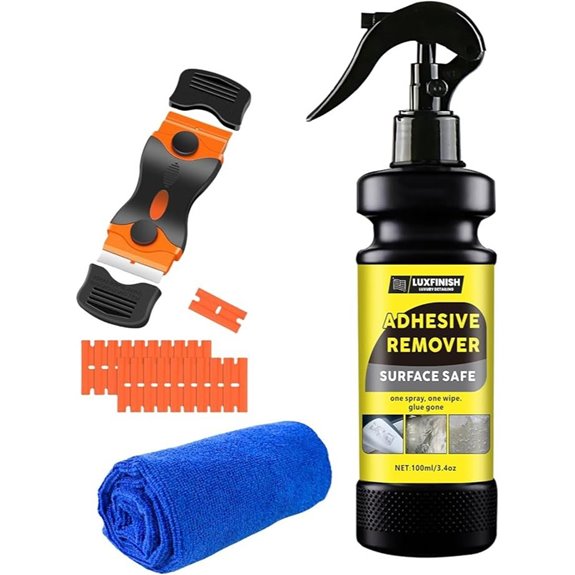
If you need a quick, all-in-one solution, the LUXFINISH Adhesive Remover Spray with Scraper & Towel stands out with its 2-in-1 blade system—an iron blade plus a plastic blade—that speeds up removal while protecting delicate surfaces. This spray dissolves adhesive in seconds, then you scrape with the plastic spatula for easy lifting. It works on car paint, glass, tile, metal, and plastic, leaving a residue-free finish. The kit includes a towel and scraper, and the spray nozzle allows precise application. At 100 ml, it’s compact, safe for multi-surface use, and simple to store. Warranty terms apply, returns are supported.
Adhesive Remover Spray for Labels, Decals, Residue Removal
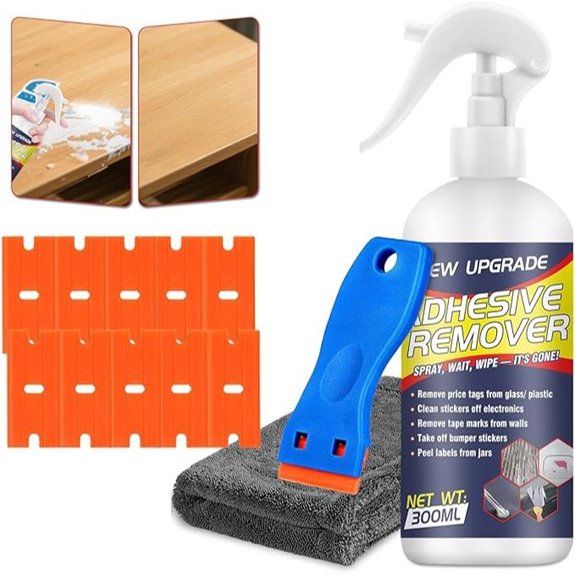
This Adhesive Remover Spray stands out for its all-in-one capability to dissolve old glue, sticker residue, and double-sided tape in seconds, making it the best choice for anyone dealing with labels, decals, or stubborn residue on metal, glass, or plastic surfaces. You can tackle tape, stickers, tar, grease, gum, wax, wet paint, crayon, or glue with this multi-scenario all-rounder. It uses a strong penetrating formula to break down glue quickly, while remaining safe, non-corrosive, mild, and odorless. The included 0.3 mm plastic razor scraper aids precision, and the 0.1 mm nozzle offers controlled coverage for smooth surfaces. Optimized for ease and protection.
Motsenbocker Lift Off 40211 Adhesive Remover 12oz
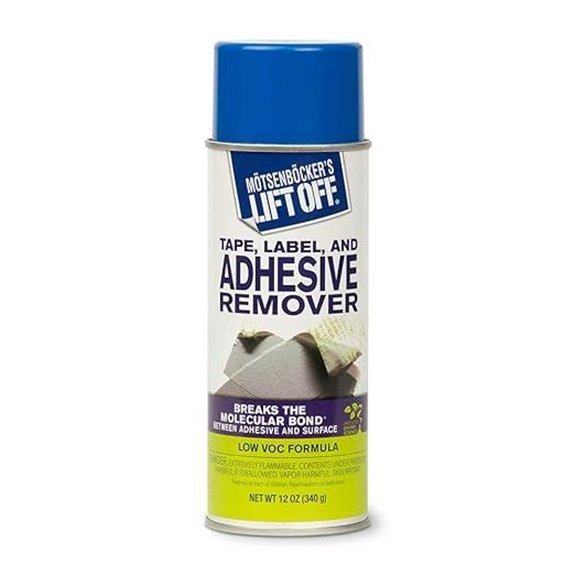
Motsenbocker Lift Off 40211 Adhesive Remover 12oz stands out for its low- or no-VOC, water-based formula, making it a greener choice for safely removing stickers, tape, and adhesive residues from a wide range of surfaces—from vehicles and walls to fabric and upholstery—without harsh fumes. You apply it to stickers, tape, labels, gum, crayons, tar, lipstick, and more, then wipe away. It’s suitable on vehicles, walls, floors, upholstery, and hard surfaces, including fiberglass, vinyl, brick, and concrete. With a biodegradable, three-way safe formula, you protect people, surfaces, and the environment while restoring cleanliness.
Factors to Consider When Choosing Stain Remover for Adhesive Residue
When you choose a stain remover, start by checking surface compatibility to avoid damage. Then consider adhesive type, since different residues respond to different formulations, and note the application method you prefer for efficiency. Finally, weigh safety, odor, and drying/leave-behind factors to balance practicality with performance.
Surface Compatibility Considerations
Carefully check that any stain remover you choose is labeled “surface-safe,” so you won’t risk damaging finishes, paints, plastics, glass, fabric, wood, metals, or sealed stone. You’ll want products that explicitly support each surface category you plan to treat, such as car paint, ceramic, finished wood, carpets, or others listed, to avoid unintended degradation. Look for formulas described as non-abrasive, mild, or silicone-free to reduce risk on delicate surfaces. Even with multi-surface claims, test on a hidden area first to confirm compatibility with coatings or sealants. For surfaces with clear coats, gloss, or labels, seek removers that specifically state adhesive removal without residue or harm to coatings. Prioritize surface-safe labeling and verified surface coverage to minimize surprises.
Adhesive Type Differentiation
Different adhesive types—glue, sticker residue, tar, gum, and tape—react best to formulations with varying solvents and tack-breaking agents, which affects how fast they dissolve and how cleanly they remove residue. You’ll find no single remover works for every adhesive, so match the product to the residue. Some removers rely on stronger solvents—citrus-based or hydrocarbon blends—to dissolve adhesives quickly, while others use mechanical action (scraper or wipe) to lift residue. Water-based formulas tend to be gentler on surfaces but may need longer dwell times for tougher tapes or gum. Plastic scraper-assisted products can boost removal efficiency for thicker residues, reducing surface abrasion versus wiping alone. Choose formulations designed to be surface-safe and rash-free, aligned with the adhesive type for effective, safe results.
Application Method Variety
Adhesive remover products come in several application formats, and choosing the right one can make a big difference in ease and precision. You’ll notice wipes, sprays, liquids, and sprays with scrapers or towels, each affecting ease of use and accuracy on various surfaces. Some formulas deliver rapid action with short dwell times, like 20–30 seconds, before you scrape or wipe. Spray formulations often feature nozzle controls and can target small spots or cover larger areas efficiently. Wipe-based removers provide a ready-to-use option for quick cleanups without rinsing. Tools such as plastic scrapers or included towels boost removal on textured or delicate surfaces, helping you avoid damage while improving overall effectiveness. Choose method based on project size, surface type, and desired control.
Safety and Odor Profiles
When choosing an adhesive residue remover, safety and odor matter as much as performance. You’ll see surface-safe, non-corrosive formulas aimed at protecting glass, painted surfaces, plastics, and metals. Odor profiles tend toward citrus scents to make use more tolerable during application. Some options showcase low-VOC or no-VOC, water-based compositions that lessen inhalation exposure and environmental impact. You’ll notice emphasis on gentle, non-abrasive action to prevent harsh fumes from causing irritation or damage. Safety notes often highlight protection against harmful vapors, with claims of no benzene, xylene, toluene, or phosphates in certain formulations. In practice, pick a product labeled low irritant and low VOC, ensuring compatibility with your surface while delivering effective adhesive residue removal. Always verify ingredient transparency and applicable handling guidance for safer use.
Drying and Residue Leave-Behind
From safety and odor considerations, you now focus on what happens after you apply a remover: how quickly it dries and whether it leaves any residue. Some formulas dry instantly, while others take minutes depending on solvent strength and surface porosity. Water-based options often evaporate quickly and leave little to no residue, whereas certain products may leave a sticky film that you must wipe away with a clean cloth. Wipe-down or rinse requirements vary: some need a brief wait and scrubbing, others promise a residue-free finish with no extra steps. Dust attraction matters: leftover residue can trap dirt unless you achieve a clean, non-gloss surface. Tools like plastic scrapers or towels help minimize film, promoting a smooth, residue-free result after treatment.
Commonly Asked Questions
Are There Eco-Friendly Adhesive Removers Available?
Yes, there are eco-friendly adhesive removers available. Look for products labeled biodegradable, plant-based, or low-VOC, and check for certifications like EPA Safer Choice or Ecolabels. You’ll typically find options made with citrus oils, vinegar, or bio-based solvents. Test on a hidden area first, follow directions, and use a gentle applicator. For tougher residues, combine with heat or mechanical action. Recycle containers where possible to minimize waste.
How Long Does Residue Take to Lift After Application?
It depends on the product and residue, but you’ll usually see lifting within a few minutes up to 15 minutes. For tougher adhesive, you might need to reapply and wait another 5–10 minutes. Gently blot or scrape as it softens, never hard scrub. If you’re using a solvent-based remover, ventilate the area and wipe away with a clean cloth. Rinse or neutralize as directed to prevent streaks or residue rebound.
Can These Removers Damage Painted Surfaces?
Yes, they can damage painted surfaces if you don’t spot-test or use gentler formulas. Check the label for paint-safe claims, and start on a hidden area. Use a mild remover, apply with a soft cloth, and don’t let it sit too long. Rinse thoroughly, then dry. If you’re unsure, opt for a gentler solvent or mineral spirits, and consider a polish afterward to restore shine and guard against dull spots.
Are Kid-Safe and Pet-Safe Options Available?
Yes, kid-safe and pet-safe options are available. Look for products labeled non-toxic, plant-based, or formulated for households with children and pets. Read labels for certifications like EPA Safer Choice or cruelty-free claims, and avoid solvents that emit strong fumes. Test a small, inconspicuous area first, then use according to directions. Ventilate the room, wear gloves, and keep kids and pets away during application and drying. Prefer gentle, enzymatic or soap-based formulas for routine residue.
Do These Products Require Curing Time Before Cleanup?
A good cleaner is your: shield against stubborn messes. No, these products don’t always require curing time before cleanup; some work on contact, others need a brief waiting period. Check the label for exact instructions, as times vary by formula and surface. You’ll typically apply, wait per directions, then wipe away. For kid- and pet-safe options, look for low-odor, non-toxic ingredients and test a small area first to avoid surprises.