
Take a real-world scenario: you notice mineral deposits building up on fixtures after months of neglect. You’re looking for a cleaner that’s effective, safe, and easy to use. In 2026, top stain removers balance powerful chemistry with eco-minded packaging. But which one fits your surfaces and routines? Explore options like CLR PRO, Bio Clean, Pro-Strength, Campester, and a glass-and-tiles formula to find the best match for your home—and the buildup you’re up against.
Important Facts
- CLR PRO Calcium, Lime and Rust Remover provides safe, multi-surface mineral deposit removal (stainless steel, tile, tubs) with EPA Safer Choice and phosphate/bleach/ammonia-free formulas.
- Bio Clean Eco Friendly Hard Water Stain Remover is USA-made, biodegradable, non-toxic, and safe for homes with kids and pets.
- Pro-Strength Hard Water Stain Remover delivers fast results on windows, sinks, fiberglass, and toilets with straightforward use.
- Campester Soft Surface Cleanser with Copper Scourer uses a reusable copper scrubber and concentrates for persistent mineral buildup.
- Hard Water Stain Remover for Glass and Tiles 16.9oz includes a scrubbing pad and is safe for glass, tile, and grout restoration.
| CLR PRO Calcium Lime and Rust Remover 1 Gallon Bottle | 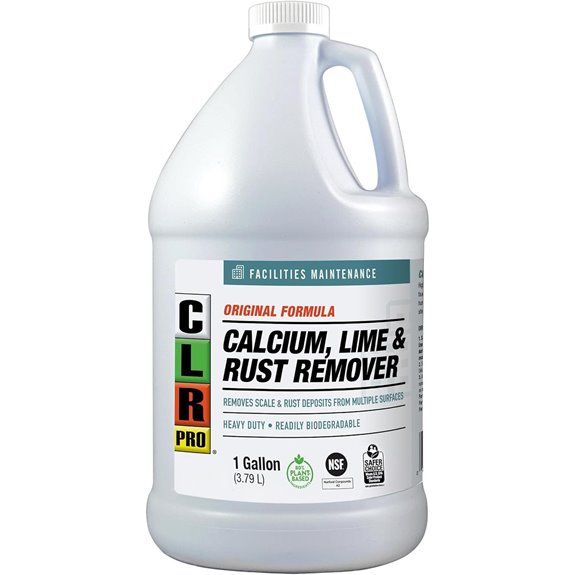 | Best Overall | Use/Application: Bathrooms and related surfaces (stainless steel, countertops, tubs, showers, tile, fixtures, sinks) | Target Deposits: Calcium, lime, soap scum, surface rust | Form/Packaging: Liquid cleaner, 1 gallon bottle | VIEW LATEST PRICE | Read Our Analysis |
| Bio Clean: Eco Friendly Hard Water Stain Remover (40oz Large). Pack of 2 | 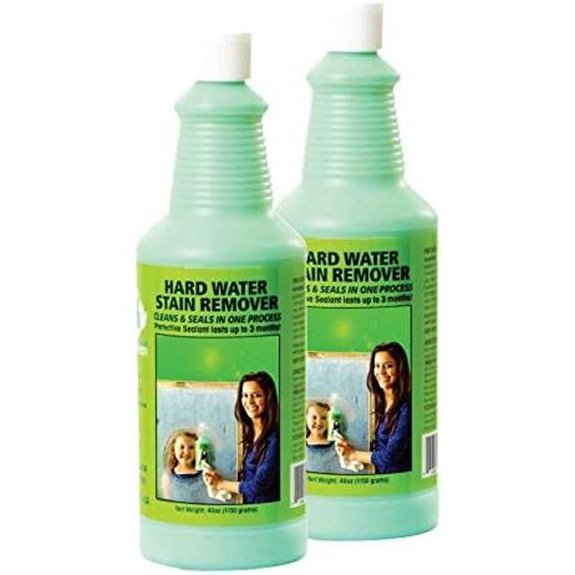 | Eco-Friendly Leader | Use/Application: General surfaces (windows, tile, shower, stone); broad cleaning use | Target Deposits: Water spots, mineral deposits, soap scum, rust, lime scale | Form/Packaging: Liquid cleaner, 40 oz bottle (pack of 2) | VIEW LATEST PRICE | Read Our Analysis |
| Pro-Strength Hard Water Stain Remover (35 oz) | 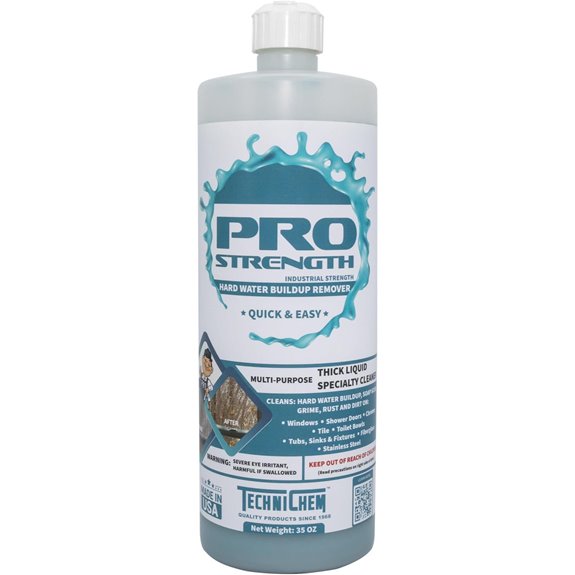 | Heavy-Duty Pro | Use/Application: Hard water/mineral buildup removal on multiple areas (windows, fiberglass, sinks, toilet bowls) | Target Deposits: Hard water stains, mineral buildup, soap scum, rust | Form/Packaging: Liquid cleaner, 35 oz bottle | VIEW LATEST PRICE | Read Our Analysis |
| Campester Soft Surface Cleanser with Copper Scourer | 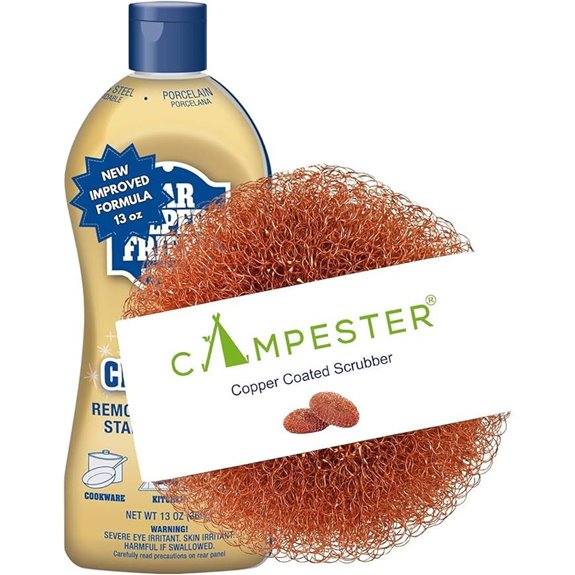 | Durable Scrub & Shine | Use/Application: Kitchen and bathroom hard surface cleaning | Target Deposits: Rust, hard water buildup, mineral deposits, soap scum | Form/Packaging: Liquid cleaner with copper scourer, 13 oz + copper scourer | VIEW LATEST PRICE | Read Our Analysis |
| Hard Water Stain Remover for Glass and Tiles 16.9oz | 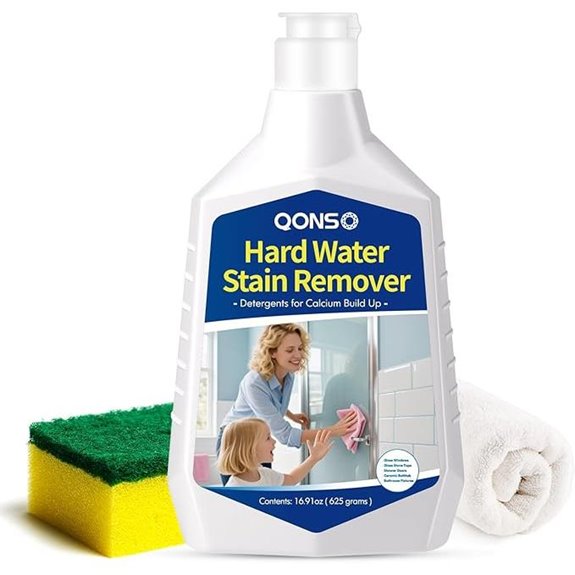 | Glass & Tile Specialist | Use/Application: Bathroom surfaces (glass, tile, grout, shower, windows) | Target Deposits: Hard water stains, calcium buildup, soap scum | Form/Packaging: Paste cleaner, 16.9 oz with scrubbing pad | VIEW LATEST PRICE | Read Our Analysis |
More Details on Our Top Picks
CLR PRO Calcium Lime and Rust Remover 1 Gallon Bottle
CLR PRO Calcium, Lime and Rust Remover, 1 Gallon Bottle stands out for heavy-duty mineral deposits with a fast, industrial-strength formula that’s still safe for homes. You’ll use it as a multipurpose cleaner for bathrooms and surfaces, quickly dissolving calcium, lime, and soap scum to leave a streak-free shine. It cleans and shines stainless steel, countertops, tubs, showers, tile, fixtures, and sinks, making it versatile for home or office. It’s safe on plastic, ceramic tile, glass, stainless steel, fixtures, and fiberglass, plus toilets and RVs. EPA Safer Choice, phosphate-free, ammonia-free, bleach-free, septic-safe, made in the USA.
- Use/Application:Bathrooms and related surfaces (stainless steel, countertops, tubs, showers, tile, fixtures, sinks)
- Target Deposits:Calcium, lime, soap scum, surface rust
- Form/Packaging:Liquid cleaner, 1 gallon bottle
- Safety/Eco Profile:EPA Safer Choice; no phosphates, ammonia, or bleach; septic-safe
- Surface Compatibility:Plastic, ceramic tile, glass, stainless steel, fixtures, fiberglass, toilets, sinks
- Special/Unique Selling Point:Industrial-strength multipurpose cleaner; quick dissolution
- Additional Feature:Septic-safe product
- Additional Feature:EPA Safer Choice
- Additional Feature:Made in the USA
Bio Clean: Eco Friendly Hard Water Stain Remover (40oz Large). Pack of 2
If you’re after a powerful, eco-friendly option for heavy mineral deposits, Bio Clean’s Eco Friendly Hard Water Stain Remover (40oz Large), Pack of 2, stands out for home use and professional settings alike. This USA-made formula is biodegradable, non-toxic, and safe around kids and pets, while delivering industrial-strength cleaning. It targets water spots, mineral deposits, soap scum, rust, lime scale, and more on windows, tile, shower, stone, and even metals. You’ll appreciate the all-in-one versatility—clean, seal, and maintain surfaces, leaving them bright and renewed without abrasive scrubbing. Pack includes two large bottles for sustained use.
- Use/Application:General surfaces (windows, tile, shower, stone); broad cleaning use
- Target Deposits:Water spots, mineral deposits, soap scum, rust, lime scale
- Form/Packaging:Liquid cleaner, 40 oz bottle (pack of 2)
- Safety/Eco Profile:Non-toxic; eco-friendly; biodegradable; made in USA
- Surface Compatibility:Window, tile, shower, stone, door; broad surface compatibility
- Special/Unique Selling Point:All-in-one cleaner that cleans, seals, and maintains
- Additional Feature:Made in USA
- Additional Feature:Non-toxic
- Additional Feature:Mildew-resistant
Pro-Strength Hard Water Stain Remover (35 oz)
The Pro-Strength Hard Water Stain Remover (35 oz) is ideal for anyone tackling stubborn mineral buildup on vertical surfaces, thanks to its thick, clingy formula that stays put where you apply it. You’ll use it full strength on windows, toilet bowls, fiberglass, sinks, and more to attack hard water and mineral stains. Apply, wait a few minutes, then wipe away. This industrial strength remover uses a proprietary blend of two mild acids plus a secret Idaho ingredient to power through buildup. Safe and easy, it delivers fast results with minimal effort. Order now to experience ProStrength.
- Use/Application:Hard water/mineral buildup removal on multiple areas (windows, fiberglass, sinks, toilet bowls)
- Target Deposits:Hard water stains, mineral buildup, soap scum, rust
- Form/Packaging:Liquid cleaner, 35 oz bottle
- Safety/Eco Profile:Not explicitly stated; marketed as industrial-strength but user-friendly
- Surface Compatibility:Windows, fiberglass, sinks, toilet bowls, etc.
- Special/Unique Selling Point:Thick, clingy formula for vertical surfaces
- Additional Feature:Thick, clingy formula
- Additional Feature:Industrial strength
- Additional Feature:Idaho secret ingredient
Campester Soft Surface Cleanser with Copper Scourer
Campester Soft Surface Cleanser with Copper Scourer stands out for anyone tackling mineral deposits on durable surfaces without scratching or dulling finishes. This 13 oz duo combines a soft liquid cleanser with a copper-coated scourer that resists rust. It’s bleach-free and safe for kitchens, bathrooms, and cookware, tackling rust, hard water buildup, mineral deposits, and soap scum while clinging to vertical surfaces. It cleans stainless steel, porcelain, ceramic, copper, brass, and chrome, restoring shine without scratching finishes. The concentrated formula delivers powerful results with less waste, and the reusable scourer supports long-term cleaning on durable surfaces.
- Use/Application:Kitchen and bathroom hard surface cleaning
- Target Deposits:Rust, hard water buildup, mineral deposits, soap scum
- Form/Packaging:Liquid cleaner with copper scourer, 13 oz + copper scourer
- Safety/Eco Profile:Bleach-free; safe for finishes
- Surface Compatibility:Stainless steel, porcelain, ceramic, copper, brass, chrome
- Special/Unique Selling Point:Copper scourer included for enhanced cleaning
- Additional Feature:Copper-coated scourer
- Additional Feature:Reusable scourer
- Additional Feature:Bleach-free
Hard Water Stain Remover for Glass and Tiles 16.9oz
For tackling years of mineral buildup on glass and tiles, this 16.9oz Hard Water Stain Remover stands out with its clay-based paste that clings to deposits like tiny sponges, delivering fast, near-new clarity on glass shower doors, tile, and grout. You apply the gray paste to areas with hard water stains, soap scum, and calcium buildup, then scrub with the included pad. It works by using natural active elements from rock mud to break down grime and rust, restoring glass, tiles, grout, and other ceramic or metal surfaces to a near-original look. Pack includes remover and scrubbing pad for convenience.
- Use/Application:Bathroom surfaces (glass, tile, grout, shower, windows)
- Target Deposits:Hard water stains, calcium buildup, soap scum
- Form/Packaging:Paste cleaner, 16.9 oz with scrubbing pad
- Safety/Eco Profile:Natural/active elements; consumer-friendly
- Surface Compatibility:Glass, tile, grout, toilet bowl, windows
- Special/Unique Selling Point:Paste with natural active elements; sponge-like action
- Additional Feature:Paste clings to deposits
- Additional Feature:Natural active elements
- Additional Feature:Soft bathroom-friendly use
Factors to Consider When Choosing Stain Remover for Mineral Deposits
When you choose a stain remover for mineral deposits, consider the deposit types, the cleaner’s cleaning power, and how it works on your specific surfaces. Check the application method and how it matches your project, plus any safety notes to follow. This helps you balance effectiveness with compatibility and ease of use.
Mineral Deposit Types
Hard water deposits form when calcium and magnesium salts crystallize on surfaces, creating chalky films that cling to glass, tile, stainless steel, and porcelain. You’ll encounter calcium carbonate and calcium sulfate as common white, chalky deposits, with magnesium sometimes showing slightly ruddier or greener tints. These minerals can build up on glass, tile, stainless steel, and porcelain, forming a crust that resists simple cleaning. The deposition process speeds up where water has high mineral content and moisture persists, so you’ll see more pronounced stains in those spots. When selecting a remover, prioritize acidic chemistry to dissolve mineral bonds, then plan a polishing step to restore shine and slow re-accumulation. Understanding deposit chemistry helps you choose targeted, effective cleaners for durability.
Cleaning Power Level
Choosing the right stain remover hinges on cleaning power. Look for terms like industrial strength, professional strength, or a thick, clingy formula, since these often correlate with better mineral deposit dissolution on vertical surfaces. A formula featuring acids (even mild) and chelating agents typically delivers faster mineral removal than abrasive-only cleaners. Clinging or gel-like textures help you apply and dwell longer on hard-to-reach or vertical deposits, improving effectiveness. Products that specify activity against calcium, lime, hard water deposits, and soap scum tend to address the most common buildup scenarios. Multi-surface, non-abrasive formulations reduce the risk of scratching while maintaining strong performance on glass, tile, and metal surfaces. Choose a solution that combines power with substrate versatility for reliable results.
Surface Compatibility
Have you confirmed that the remover is tested on your target surface type, such as glass, tile, stainless steel, or porcelain? Start by checking compatibility with mineral deposits on your surface—glass, ceramic tile, fiberglass, stainless steel, and concrete are commonly listed. Ensure the formula is safe for non-abrasive use on delicate finishes to prevent scratching or dulling. Look for clinging capability on vertical surfaces, which signals suitability for shower doors, walls, and tiles prone to buildup. Verify surfaces explicitly labeled as compatible to match your application. Also consider whether the product is non-corrosive or phosphate-free, helping you avoid damage to metals or epoxy coatings found in bathrooms. Prioritize products with clear surface compatibility notes to reduce trial and error and protect finishes.
Application Method
When selecting an application method, match the delivery to the surface and the level of buildup. Choose spray or liquid for broad coverage on tiles and glass, paste for vertical or hard-to-reach mineral deposits, and include a scrubber or cloth for manual agitation. For vertical surfaces, prefer thick, clingy formulas or pastes that stay in place without dripping, ensuring more contact time with mineral buildup. Use products with a built-in or included scrub pad or scourer to aid mechanical removal on grime-heavy areas such as showers, tiles, and metal fixtures. Follow recommended contact times (minutes) before wiping or rinsing to maximize dissolution of calcium, lime, and hard water deposits. Ensure the method is suitable for the surface material (glass, ceramic, stainless steel) and check compatibility notes to avoid scratching or dulling finishes.
Safety Considerations
You should look for safety certifications like EPA Safer Choice, which indicate a safer, lower-hazard formulation. Verify that the product is phosphate-, ammonia-, and bleach-free to minimize harmful exposure and surface damage. Check for septic-safe labeling so your household septic system stays unclogged and intact. Favor non-toxic, non-abrasive formulations when you’re cleaning delicate surfaces to reduce scratches and chemical harm. Confirm that the product is indoor-use friendly and that safety and handling guidance is clearly stated, including ventilation, gloves, and contact precautions. Look for clear usage directions and storage recommendations to prevent accidents. Ensure the label provides first-aid tips and disposal guidance to minimize risk if spills occur. Prioritize products with straightforward safety notes you can follow confidently.
Environmental Impact
Environmental impact matters because choosing the right stain remover minimizes harm to waterways, indoor air, and your wallet. When evaluating options, look for EPA Safer Choice or biodegradable labels, which signal reduced environmental harm compared with phosphate- or ammonia-heavy cleaners. Products that boast non-toxic, septic-safe, or pet- and child-friendly claims generally pose lower risks to indoor ecosystems. Consider concentrated formulas and reusable components, since they lower waste and the overall footprint per use. Pay attention to the presence or absence of phosphates, ammonia, or bleach, as these affect aquatic toxicity and wastewater treatment implications. Finally, note items made in the USA or with strong environmental commitments, as they often pursue safer disposal and reduced hazardous emissions.
Odor and Scent
Odor and scent matter just as much as stain-fighting power when you’re choosing a remover for mineral deposits. You’ll notice whether a formula uses strong fragrances or stays near-neutral, which affects indoor air quality during and after use. Some mineral deposit removers advertise non-chemical or low-odor options, appealing to sensitive spaces or enclosed baths and kitchens. A milder scent may hint at safer, biodegradable ingredients, whereas harsher smells can signal stronger acids or solvents. Fragrance-free choices exist and are often preferred where lingering odors on surfaces or fabrics would matter. User reviews often note whether the scent dissipates quickly or lingers after application and rinsing, helping you gauge comfort and practicality before purchase.
Long-Term Maintenance
Long-term maintenance matters because mineral deposits tend to recur. Choose a product with lasting effectiveness that prevents re-deposition, such as formulations that leave a protective residue or offer ongoing sealing properties. Favor cleaners labeled for repeated use on mineral deposits to support ongoing maintenance, not a one-time heavy clean that needs reapplication soon after. Look for a formula that stays effective on vertical surfaces and in damp environments to sustain cleanliness between cleanings. Consider products that resist mineral buildup in high-humidity areas like showers and tiles to reduce cleaning frequency. Ensure the cleaner is safe for regular use on your target surfaces to maintain appearance and prevent accelerated mineral reaccumulation over time.
Commonly Asked Questions
Are These Removers Safe for Septic Systems?
Yes, most are safe for septic systems when used as directed, but you should check labels and avoid harsh, bleach-heavy formulas. Think of your septic as a careful guardian, and you as its steward, balancing chemicals like a tightrope walker. Use the recommended amounts, avoid mixing products, and don’t flush oversized quantities. If in doubt, opt for septic-safe options or consult a professional to keep the system’s harmony intact. Your tank will thank you.
Do They Remove Calcium Scale From Faucets?
Yes, they can remove calcium scale from faucets. You’ll want products labeled for mineral or limescale deposits, apply as directed, and let sit briefly before scrubbing with a non-abrasive pad. For tough buildup, use a descaler containing acidic ingredients and rinse well. Test a small area first, prevent future scaling with regular cleaning, and consider a water-softening solution if hard water persists. Always follow safety instructions and keep these products away from children.
Can They Damage Natural Stone Surfaces?
Yes, they can damage natural stone surfaces. You’ll want to avoid acidic or abrasive formulas, which etch or dull marble, limestone, and granite. Instead, choose pH-neutral cleaners labeled safe for stone, and test in a hidden spot first. If you fear damage, stop and consult a pro. You’ll feel relieved knowing you’re protecting your countertops, floors, and fixtures from costly etching, while still effectively removing mineral deposits when you pick the right product.
How Long Should Products Sit Before Rinsing?
You should follow the product’s label for exact timing, but most stain removers sit anywhere from 5 to 15 minutes before rinsing. Check for signs of loosened mineral deposits or a visible change in color, then rinse thoroughly with plenty of water. For tougher stains, you might reapply after a short wait. Always wear gloves, work in a ventilated area, and avoid letting the cleaner dry on surfaces. If in doubt, test on a hidden spot first.
Are Fragrances or Dyes Present in These Formulas?
Oh, sure—fragrances and dyes are totally essential in every stain remover, right? In most formulas, you’ll find that many stain removers for mineral deposits do not include fragrances or added dyes. You’ll typically get color-safe options and fragrance-free variants, especially for bathrooms or kitchen use. Always check the ingredient list on the product label to confirm. If sensitive, opt for hypoallergenic or fragrance-free formulas to avoid irritation.