
Like a whisper of old lace, delicate fabrics demand gentler care, yet tough stains still test your patience. You want results without harsh damage, color retention, and fabrics that survive repeated wash cycles. In 2026, the best stain removers for delicate fibers blend safety with effectiveness, offering portable pens, spray formulas, and enzyme-free options. Stay with me as we weigh what works best for silk, velvet, lace, and more, so you can protect fibers and keep colors true.
Important Facts
- Look for fabric-safe formulas that are gentle on delicates, colorfast, and free of harsh bleaches or chlorine.
- Prioritize stain removers with explicit fabric compatibility codes (Ws or W) and testing guidance.
- Favor multi-fabric or delicate-friendly products that target common delicate stains (grease, makeup, fruit, blood).
- Consider portable options (pens or sprays) for on-the-go lifting without damaging fine fabrics.
- Check for odor control, residue-free formulas, and EPA Safer Choice or toxin-free certifications.
| Resolve Carpet Cleaner: Multi-Fabric Stain Remover Spray |  | Best Fabric-Safe | General Use: Upholstery/fabric cleaner | Safe For Fabrics: Safe on most fabrics | Stain Types Targeted: Dirt/odor stains | VIEW LATEST PRICE | Read Our Analysis |
| Stardrops Pink Stuff Oxi Stain Remover Spray | 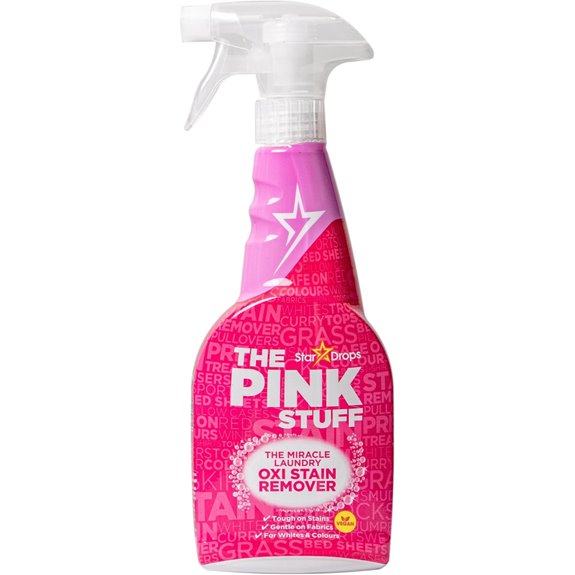 | Pre-Treat Master | General Use: Laundry stain remover spray | Safe For Fabrics: Safe for all fabrics | Stain Types Targeted: Grease/oil/dirt stains | VIEW LATEST PRICE | Read Our Analysis |
| Miss Mouth’s Messy Eater Stain Treater Spray | 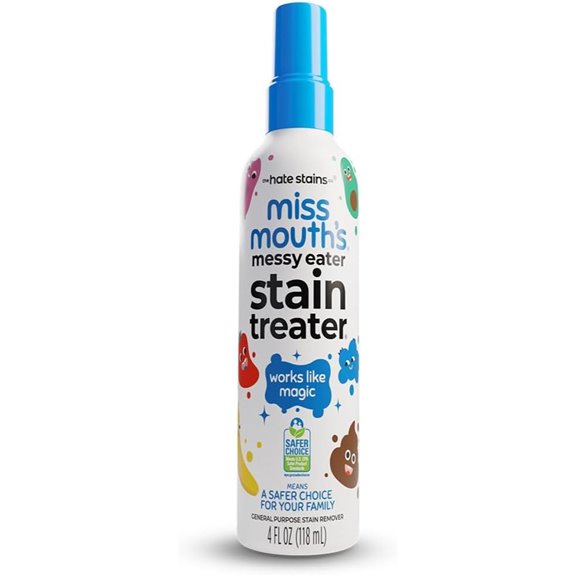 | Baby-Safe Quick-Acting | General Use: Stain treater spray | Safe For Fabrics: Safe for fabrics | Stain Types Targeted: Food/grease/coffee | VIEW LATEST PRICE | Read Our Analysis |
| Dryel On-The-Go Stain Removal Pen (20 ml) | 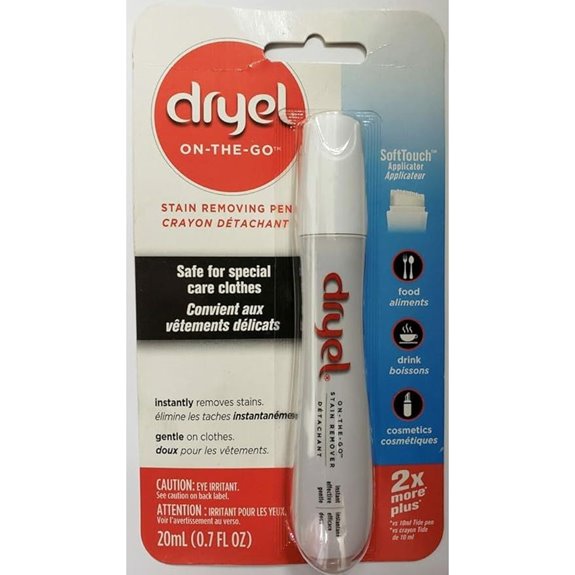 | On-The-Go Saver | General Use: On-the-go stain pen | Safe For Fabrics: Safe on dry-clean/delicates | Stain Types Targeted: General tough stains | VIEW LATEST PRICE | Read Our Analysis |
| Grandma’s Secret Stain Remover – 2 oz Toxin-Free | 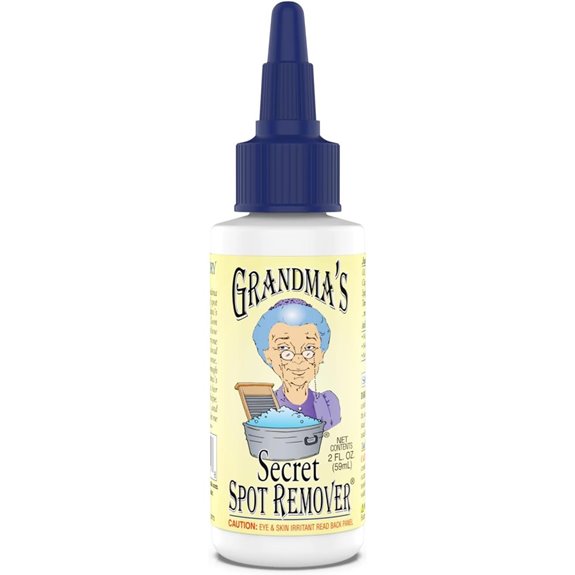 | Toxin-Free Stain | General Use: Laundry stain remover | Safe For Fabrics: Toxin-free; fabric-safe | Stain Types Targeted: Variety of stain types | VIEW LATEST PRICE | Read Our Analysis |
| Vintage Fabric Stain Remover for Antiques & Linens |  | Antique-Grade Restore | General Use: Antique fabric soak | Safe For Fabrics: Safe on antique fabrics | Stain Types Targeted: Wine, coffee, age-related stains | VIEW LATEST PRICE | Read Our Analysis |
| FOREVER NEW Stain Remedy Gel with Brush (7 oz) | 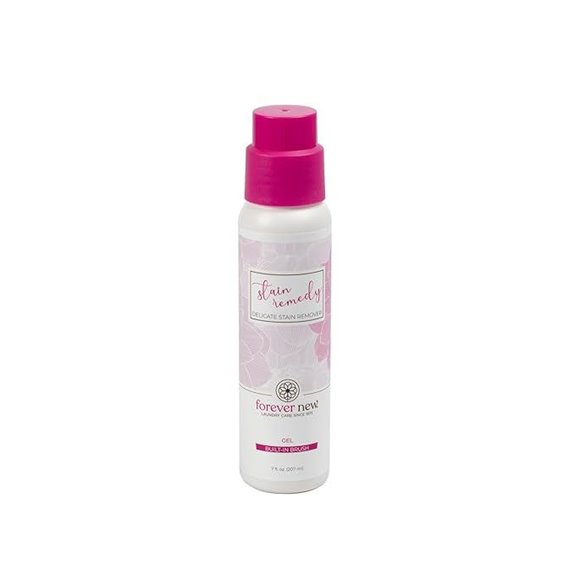 | Gentle, Yet Tough | General Use: Fabric stain remover gel | Safe For Fabrics: Safe on colorfast fabrics | Stain Types Targeted: Common household stains | VIEW LATEST PRICE | Read Our Analysis |
More Details on Our Top Picks
Resolve Carpet Cleaner: Multi-Fabric Stain Remover Spray
If you’re cleaning delicate fabrics like cotton blends and polyester, Resolve Carpet Cleaner’s Multi-Fabric Stain Remover Spray is your best bet, thanks to its fabric-safe formula that lifts dirt and odors without fading or discoloring when used as directed. You’ll want to test a hidden area first to confirm colorfastness, and avoid velvet, silk, vinyl, or leather. Safe on most fabrics, including polyester, nylon, and cotton blends, it targets upholstery stains, makeup, food grease, coffee, and wine. Use it promptly for best results, and follow the Ws or W fabric code guidance for effective cleaning without damage.
- General Use:Upholstery/fabric cleaner
- Safe For Fabrics:Safe on most fabrics
- Stain Types Targeted:Dirt/odor stains
- Application Method:Spray/apply
- Packaging Size:22 fl oz
- Specialty Claim:Fabric-safe lift
- Additional Feature:Test colorfastness recommended
- Additional Feature:Not for velvet/silk/leather/vinyl
- Additional Feature:22 fl oz capacity
Stardrops Pink Stuff Oxi Stain Remover Spray
Stardrops Pink Stuff Oxi Stain Remover Spray stands out for its effective Oxi action technology that penetrates fibers to break down and lift tough stains, making it a strong pick for delicate fabrics. You’ll trust this brand from The Pink Stuff lineage, a familiar name in households. It delivers powerful stain removal, tackling grease, oil, and dirt with deep-cleaning action that’s safe on whites and colors. You can spray directly on stains, wait a few minutes, then wash as usual. It’s gentle on fabrics yet tough on residues, offering a convenient pre-treat option for everyday laundry needs.
- General Use:Laundry stain remover spray
- Safe For Fabrics:Safe for all fabrics
- Stain Types Targeted:Grease/oil/dirt stains
- Application Method:Spray pre-treat
- Packaging Size:500 ml
- Specialty Claim:Oxi action
- Additional Feature:Oxi Action technology
- Additional Feature:Safe for all fabrics
- Additional Feature:Pre-treat before washing
Miss Mouth’s Messy Eater Stain Treater Spray
Miss Mouth’s Messy Eater Stain Treater Spray stands out for families with babies and young kids who need a fast, safe fix on everyday fabrics. This 4oz spray tackles food, grease, and coffee stains on laundry, underwear, and fabric, plus upholstery and carpets. It’s EPA Safer Choice certified, giving you a safer option for quick results on fresh or set-in stains. Target fruit juice, baby food, formula, ketchup, blowouts, and even blood. To use, dampen the stain, spray, rub gently if needed, and wash as usual; repeat if the stain persists. Safe, versatile, and easy to apply.
- General Use:Stain treater spray
- Safe For Fabrics:Safe for fabrics
- Stain Types Targeted:Food/grease/coffee
- Application Method:Spray and treat
- Packaging Size:4 oz
- Specialty Claim:EPA Safer Choice
- Additional Feature:EPA Safer Choice certified
- Additional Feature:For newborns and babies
- Additional Feature:Works on upholstery, carpets
Dryel On-The-Go Stain Removal Pen (20 ml)
Need a stain remover you can trust on the go? The Dryel On-The-Go Stain Removal Pen (20 ml) is your portable solution for clothes and laundry. Safe on dry-clean only fabrics, delicates, and hand-washables, it features a peroxide-free formula with no bleach, so vibrant colors stay intact. It’s tough on stains yet gentle, delivering proven results without harsh agents. Use the soft-touch tip to scrub away stubborn marks in a quick 2-step refresh. This 20 ml pen doubles the value of leading pens and stays compact for travel, making on-the-spot touch-ups effortless.
- General Use:On-the-go stain pen
- Safe For Fabrics:Safe on dry-clean/delicates
- Stain Types Targeted:General tough stains
- Application Method:Pen, direct application
- Packaging Size:20 ml
- Specialty Claim:On-the-go safe
- Additional Feature:Peroxide-free formula
- Additional Feature:Soft-touch scrubbing tip
- Additional Feature:20 ml portable size
Grandma’s Secret Stain Remover – 2 oz Toxin-Free
Grandma’s Secret Stain Remover – 2 oz, Toxin-Free is ideal if you want a gentle, toxin-free option that works across a wide range of stains without risking fabric color. You apply, agitate, and blot, and stains can disappear without bleach or phosphates. This concentrated formula handles rust, blood, food, grass, and many everyday messes, across all water temps. It’s safe on delicate fabrics and suitable for expensive clothes, with a pleasant citrus after-treatment. It’s hypoallergenic and toxin-free, designed to protect fabrics while lifting stains. Use as a spot remover to keep garments vibrant and clean.
- General Use:Laundry stain remover
- Safe For Fabrics:Toxin-free; fabric-safe
- Stain Types Targeted:Variety of stain types
- Application Method:Apply/spot treat
- Packaging Size:2 oz
- Specialty Claim:Toxin-free; no bleach
- Additional Feature:Toxin-free stain remover
- Additional Feature:No bleach, chlorinate, phosphates
- Additional Feature:Fragrance: citrus after-treatment
Vintage Fabric Stain Remover for Antiques & Linens
If you’re preserving antique fabrics, this Vintage Fabric Stain Remover for Antiques & Linens stands out by safely restoring yellowed fibers and stubborn stains without harsh chemicals, making it ideal for quilt collectors, textile preservationists, and antique enthusiasts. This soak revives vintage dresses, lace doilies, and delicate textiles, with a formula free from chlorine and unscented for gentle results. It makes 18 gallons of soaking solution, enough to treat multiple quilts, heirloom tablecloths, and napkins. Use colorfastness checks, mix 1.5–3 tablespoons per gallon hot water, soak 24–48 hours, then rinse to reveal refreshed fabrics. Proudly made in the USA by a family-owned company.
- General Use:Antique fabric soak
- Safe For Fabrics:Safe on antique fabrics
- Stain Types Targeted:Wine, coffee, age-related stains
- Application Method:Soak/rest per instructions
- Packaging Size:18 gallons soak (kit provides)
- Specialty Claim:Restores antique linens
- Additional Feature:Makes 18 gallons soaking solution
- Additional Feature:Safe, unscented cleaner
- Additional Feature:Made in USA
FOREVER NEW Stain Remedy Gel with Brush (7 oz)
Looking for a stain remover that’s gentle yet effective on delicate fabrics? Forever New Stain Remedy Gel with Brush is a 7 oz fabric stain remover with a built-in brush. It delivers a gentle clean and deep stain removal, helping extend garment life. It tackles common stains—blood, coffee, cosmetics, grease, grass, wine, and everyday soils—without bleach or dyes. Safe, environmentally friendly, and not tested on animals, it’s suitable for colorfast fabrics (test a small area first). Easy to use: apply, set, and forget; the brush aids application, and the natural base cleans and rinses fully, leaving no residue. Original or unscented options available.
- General Use:Fabric stain remover gel
- Safe For Fabrics:Safe on colorfast fabrics
- Stain Types Targeted:Common household stains
- Application Method:Gel with brush
- Packaging Size:7 oz
- Specialty Claim:No bleach/perm-seeking residue
- Additional Feature:Built-in brush
- Additional Feature:No bleach or dyes
- Additional Feature:Available scents: original or unscented
Factors to Consider When Choosing Stain Remover for Delicate Fabrics
When you pick a stain remover for delicate fabrics, start by your fabric type, stain type, and how you’ll clean it. Check colorfastness and safety for any detergents or ingredients, and confirm the method you’ll use won’t harm fibers. Consider ingredient sensitivity and whether the product supports the cleaning method you plan to employ.
Fabric Type Considerations
Delicate fabrics demand stain removers that are gentle on fibers and colors, so start by checking labels for safety specifically labeled for delicate textiles. You should choose formulations that are free of bleach, chlorine, phosphates, and strong fragrances, as these can fade colors or damage texture. Test colorfastness on an inconspicuous area before applying any remover to delicate textiles such as silk, velvet, or fine lace. Look for products that explicitly state compatibility with common delicates—silk, satin, lace, and wool blends—and that promise no residue or harsh abrasion. Prefer pre-treat or spot-treatment options with built-in applicators or soft brushes to minimize rubbing and agitation. Prioritize gentle, fabric-specific guidance to maintain fiber integrity while effectively lifting stains.
Stain Type Compatibility
Choosing the right stain remover for delicate fabrics hinges on matching the formula to the fabric and stain type. For cotton blends and synthetics, avoid harsh chemicals that cause fading or fiber damage, and favor gentle formulations. Always test colorfastness on an inconspicuous area before applying, so you don’t risk discoloration. Prioritize products that specify suitability for delicate textiles and steer clear of options not recommended for velvet, silk, vinyl, or leather. Look for no bleach, peroxide, or dyes, with residues-free results to protect fibers. For delicate items, opt for pre-treatments or gels with built-in application tools or short contact times to minimize abrasion and color loss. Choose stain removers labeled for delicate use and tailored to the stain type you’re tackling.
Cleaning Method Safety
To safeguard delicate fabrics, pick stain removers labeled safe for colorfast textiles and test a small hidden area before full use. For safe results, avoid products containing chlorine, bleach, or harsh chemicals that can cause fading or fiber damage. Seek formulations described as gentle or safe on fabrics, with clear claims like “safe on colorfast fabrics” and minimal residue left behind. Always follow manufacturer guidelines for fabric codes (Ws, W) and apply the lowest effective concentration to reduce risk to delicate fibers. Use per-item instructions for soaking or spot treatment, and avoid high-heat drying or washing if the fabric requires special care. Prioritize products labeled colorfast-safe and read directions to protect fabric integrity during cleaning.
Colorfastness Testing
Colorfastness testing starts with a simple step: check how the stain remover affects the fabric in a hidden area before you treat the visible spot. You should test on an inconspicuous area first and follow the product’s instructions. Use a hidden section to check for color transfer or fading after applying the cleaner. If color is affected during testing, do not use the stain remover on that fabric. Prefer removers labeled safe for delicate or colorfast fabrics and designed for fabrics similar to what you’re treating. Document the test outcome and discontinue use if any color change or fabric damage occurs. This method helps you avoid surprises on visible areas and guides you toward safer, fabric-appropriate choices.
Ingredient Sensitivity
When selecting a stain remover for delicate fabrics, start by checking labels for safety claims like “delicate,” “hypoallergenic,” or “baby-friendly,” and always test on an inconspicuous area first to confirm no color transfer or damage. Ingredient sensitivity matters: choose products labeled safe for delicate fabrics and avoid harsh chemicals such as bleach, chlorine, or optical brighteners that could irritate fibers. Favor formulas described as gentle, hypoallergenic, or designed for baby or sensitive skin to minimize irritation. If you’re working with silk, velvet, or other high-sensitivity textiles, prefer enzyme-free formulations to reduce fiber stress. Always verify the product indicates safety for your fabric type (look for Ws or W codes) and provides clear colorfastness guidance. This helps protect color, texture, and overall fabric integrity during treatment.
Application Ease
Are you looking for stain removers that are easy to use on delicate fabrics? Pick formulas with gentle, not harsh chemicals—no peroxide, no chlorine—to minimize risk to your textures. Choose formats that simplify application, like pens, sprays, or gels with built-in brushes or simple tips, so you don’t have to scrub. Look for colorfastness testing on a hidden area before you try it, preventing color transfer or fading. Favor multi-fabric or fabric-safe claims that cover common delicates while avoiding velvet, silk, vinyl, or leather. Check for clear steps you can follow: dab, wait, blot or wash as directed. When instructions are straightforward, you reduce mess and accidental fabric damage, making stain removal smoother and safer.
Odor and Residue Control
Odor control and residue reduction matter more on delicate fabrics, since lingering smells or leftover traces can dull texture or cause irritation. When choosing a stain remover, look for odor lift or neutralization claims to prevent lingering scents on sensitive textiles. Favor formulas described as residue-free or leaving no residue, so you avoid coating delicate fibers after treatment. Prefer products labeled biodegradable or gentle to minimize additional residue on fabrics. Avoid cleaners that mention fragrances or citrus residues if you want to minimize new scents on delicate fabrics. Check for clarifications like “no dye, no bleach, no phosphates” to reduce the risk of chemical residues affecting fabric feel or color. Prioritize odor control and residue clarity for safer, cleaner results.
Commonly Asked Questions
Are These Products Safe for Silk and Wool Blends?
Yes, most of them are safe for silk and wool blends if you follow the label carefully. You should spot-test on an inconspicuous area, use the gentlest setting, and avoid harsh enzymes or bleach. Apply a tiny amount, let it sit briefly, then rinse thoroughly or wash as directed. If in doubt, choose products labeled for silk or wool or consult the fabric care tag to prevent damage.
Do They Work on Protein-Based Stains Like Blood?
Yes, many work on protein-based stains like blood. Look for enzyme-based formulas, and blot gently before applying a pinpoint dab. You’ll want cold water and a test on a hidden area first, then rinse. If you’re treating silk or wool blends, opt for products labeled safe for delicates and follow instructions to avoid damage. It really can lift blood without harming fibers, and you’ll see a noticeable difference, no ifs or buts. Get it done.
Can I Use Them on Vintage Linen Without Damage?
Yes, you can, but test first on a hidden area. Look for gentle, enzyme-free formulas and a fabric-safe option labeled for linen. Use a small amount, apply softly, and never rub. Let it sit briefly, then rinse with cold water and air-dry flat. If your linen is antique, consult a professional cleaner before attempting home treatments. Always follow product directions and respect the fabric’s natural aging.
Are There Any Residue-Free Formulas for Dark Fabrics?
Yes—there are residue-free formulas for dark fabrics. You’ll want a product labeled “no residue,” “stain remover for darks,” or similar, and apply it sparingly to avoid blotching. Start with a small, inconspicuous test area, then treat the stain gently. Rinse thoroughly and air-dry to prevent buildup. If you notice any film, switch to a water-based formula designed for synthetics and dark tones, and proceed with caution.
How Should I Test Colorfastness Before Use?
To test colorfastness, you should start by spot-testing on an inconspicuous area. Dampen a white cloth with the cleaner, then press it onto the fabric for 15–20 seconds without rubbing. Lift to check for color transfer or changes. If no bleed occurs, proceed with a full test on a hidden seam. If you see color transfer, don’t use the product on that item. Always rinse the test area afterward.