
You might not realize that the best tile stain removers for 2026 pair acid-free formulas with fast-acting grit and gentle stone protection. You’ll find options that lift grime with minimal scrubbing and even double as pre-seal treatments. Curious how non-toxic gels, microbe-based cleaners, and short-dwell grout formulas stack up against stubborn oil and mineral stains? Keep going to see which products fit your tiles and routine.
Important Facts
- Prioritize non-acid or acid-free formulas to protect natural stone, colored grout, and delicate tile surfaces.
- Look for deep-cleaning action with minimal scrubbing and compatibility across ceramic, porcelain, and stone.
- Favor products offering versatile application: grout brush, paste, steamer, or pre-treatment benefits.
- Consider stain-type effectiveness: oil/microbial cleaners for oily stains; mineral/rust removers for hard-water deposits.
- Check safety, odor, and aftercare: biodegradable, non-toxic, easy rinsing, and guidance for dwell time and sealing prep.
Black Diamond Grout Cleaner: Safe Deep Stain Remover (1 Qt)
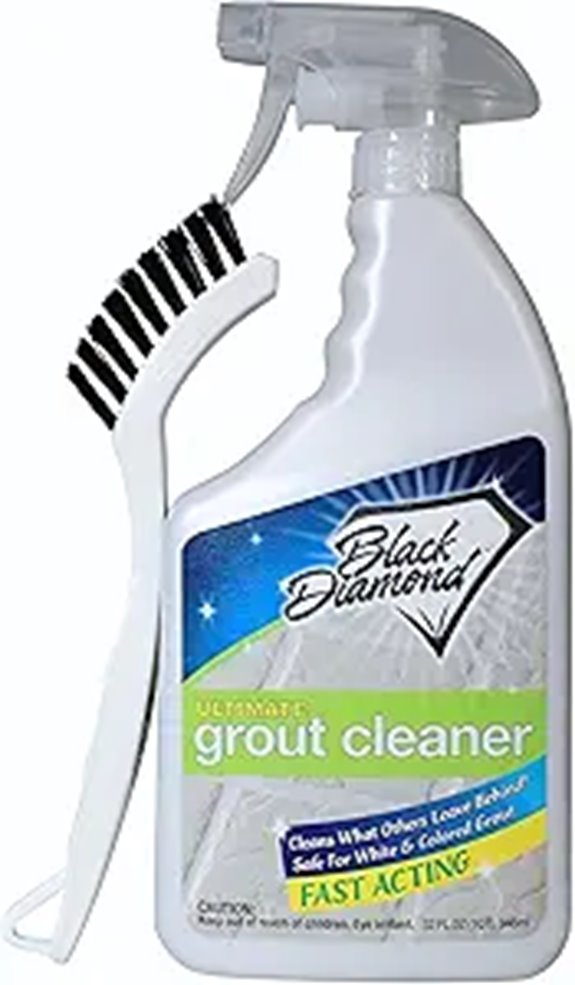
If you’re tackling tough grout stains in kitchens and bathrooms, the Black Diamond Grout Cleaner: Safe Deep Stain Remover (1 Qt) is your best bet for a professional-strength, acid-free solution that’s safe on colored grout and natural stone. This cleaner targets deep stains while preserving grout color, restoring an original look and making floors appear new. It’s safe for delicate surfaces, including ceramic, marble, and granite, thanks to its acid-free formula. You can apply with a grout brush or a steam cleaner for versatile results. Includes a 1-Quart bottle and 1 brush for immediate use.
Overnight Oil Stain Remover for Concrete Surfaces
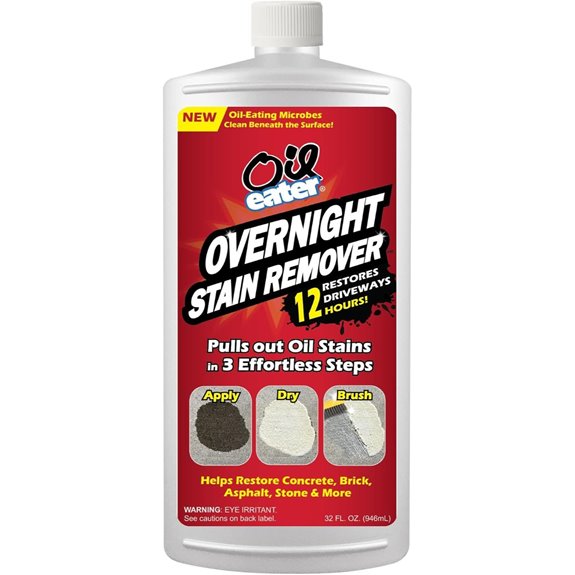
Designed for homeowners tackling oil on porous surfaces, Overnight Stain Remover for Concrete Surfaces uses oil-eating microbes to pull stains up from beneath concrete, asphalt, and pavers. You apply a small amount, let it dry overnight, then sweep away without scrubbing. The formula works beneath the surface to lift oil, helping restore driveways, garages, and pavers, with multiple applications needed for severe stains. It’s safe, biodegradable, and free of harsh acids or bleaches. Suitable for concrete, asphalt, and stone, it also handles grease spills from grills. Results vary; older stains may not fully disappear, but appearance improves as the science progresses. 99 words.
Miracle Heavy-Duty Non-Acidic Tile Cleaner Quart
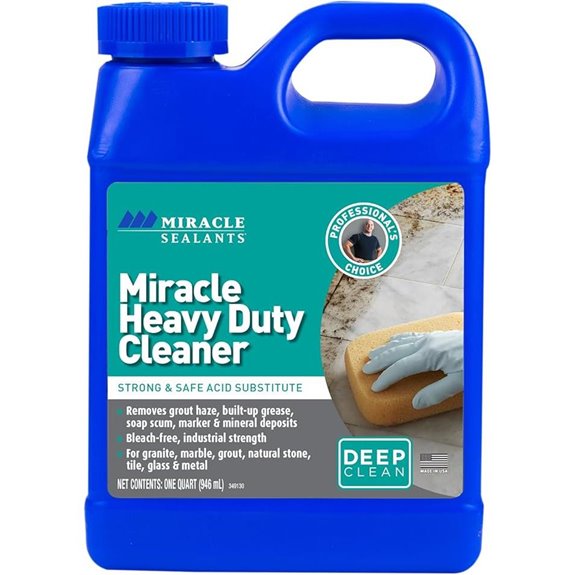
Miracle Heavy-Duty Non-Acidic Tile Cleaner Quart is ideal for stone lovers who need a safe, effective prep before sealing. This non-acidic cleaner from Miracle Sealants cleans without harming acid-sensitive stones like granite, thanks to its mild pH formula. It delivers a deep penetrative clean, lifting grout haze, grease buildup, dirt, and stubborn stains while preserving your stone’s finish. Use it as a pre-seal/pretreatment to ensure optimal results, and enjoy a protective, molecular-bonded layer that helps resist future buildup. It’s suitable for porcelain, ceramic, glass, grout, and natural stone, and covers 43-87 sq ft per quart.
Bioclean Hard Water Stain Remover 20.3 oz
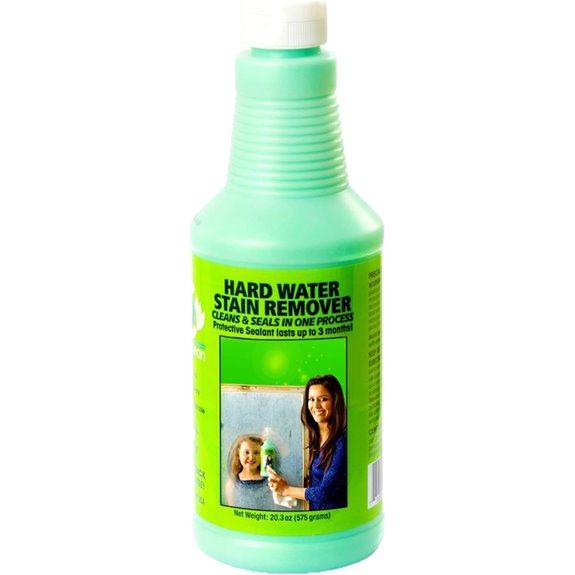
Bioclean Hard Water Stain Remover 20.3 oz stands out for professionals who need heavy-duty mineral removal without compromising surfaces. You get a professional, industrial-strength cleaner that tackles years of hard mineral buildup, stains, rust, and spots, restoring surfaces. Suitable for windows, glass, tile, grout, brick, concrete, shower doors, tubs, fiberglass, stone statues, and stained brick, it removes calcium, iron, phosphorous, and acid rain while cleaning auto glass and fireplace glass. Eco-friendly and biodegradable, it’s safe for heavy-duty jobs yet gentle enough for minor scrubbing to remove soap scum. Expect spotless, renewed surfaces and mineral deposit elimination.
Stain Remover: Instant Spot & Odor Eliminator (2 Pack)
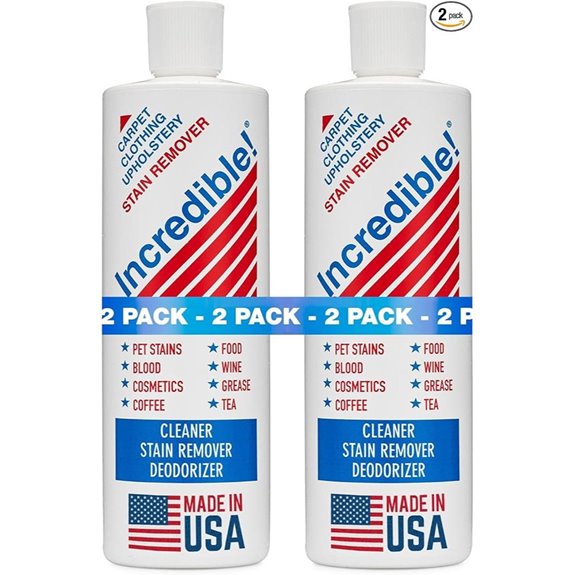
Looking for a quick, all-in-one solution for surprise spills and set-in stains? The Stain Remover: Instant Spot & Odor Eliminator (2 Pack) gives you a 16 oz pair that’s safe for family use—water-based, non-toxic, non-flammable, and non-irritating. It tackles stains like blood, red wine, coffee, urine, cosmetics, oil, and pet marks, and removes associated odors. Use it on carpets, rugs, clothes, mattresses, upholstery, and furniture. No washing, rinsing, rubbing, or vacuuming needed; stain and odor vanish in seconds, with extra soak time for tougher cases. One product replaces separate stain remover and odor eliminator. Trusted for 40+ years.
Zep Grout Cleaner & Brightener 32 oz bottle
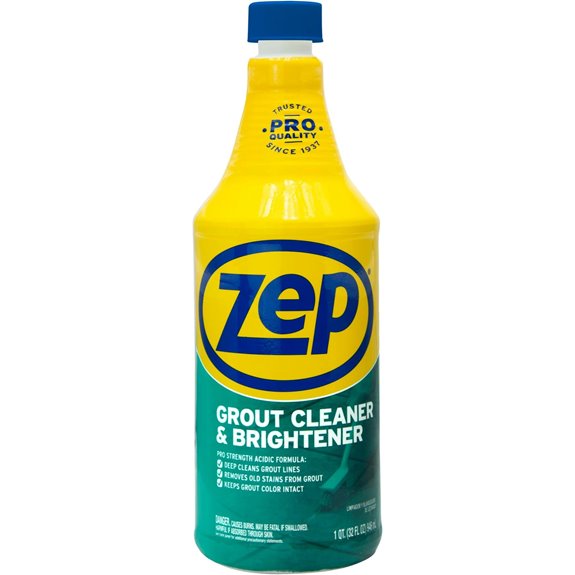
If you want a professional-strength grout clean without heavy scrubbing, the Zep Grout Cleaner & Brightener (32 oz) delivers fast results with an acidic formula that targets deep stains and revives white and colored grout lines. This 32-ounce bottle is designed for deep cleaning, removing old stains from grout and revitalizing tile grout on floors. Apply the solution, let it sit for three minutes, then wipe away to reveal a like-new finish with minimal effort and no heavy scrubbing. Made in the USA from globally sourced materials, it suits novices to pros seeking professional-looking results.
Heavy-Duty Grout Cleaner: Stain Remover, 32 oz
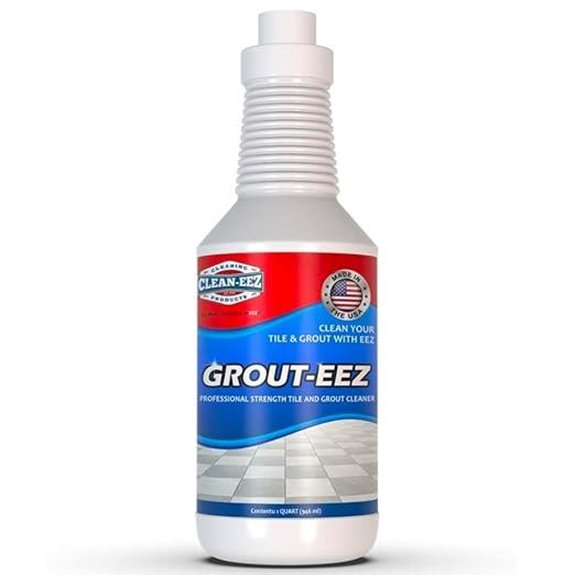
This heavy-duty grout cleaner delivers pro-grade power in a 32 oz bottle, making it the top pick for tackling years of grime on tile and grout in bathrooms, kitchens, and more. You’ll banish stubborn stains with ultimate grime elimination and deep-cleaning power. This pro-grade cleaner delivers unsurpassed results, restoring grout and tiles to a like-new look. It’s a 2-in-1 solution that rejuvenates and revives, returning pristine beauty and eliminating dullness. You become the at-home expert, avoiding professional costs and hassles. See the 32 oz size and clear directions for easy, organized use, keeping surfaces bright and renewed.
Goo Gone Grout & Tile Cleaner – Stain Remover – 14 Fl. Oz.
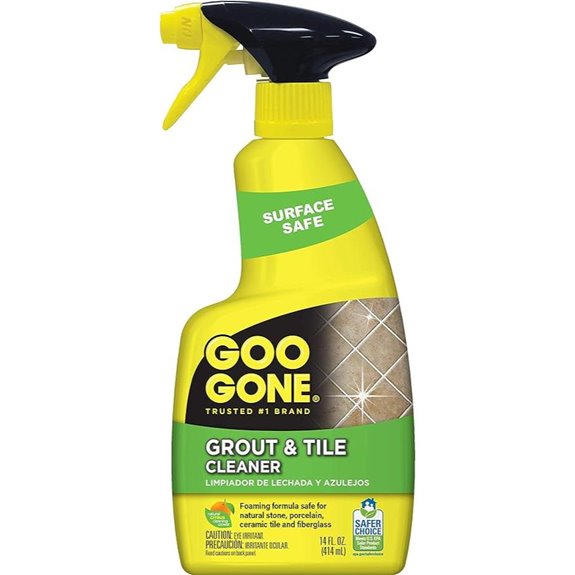
Goo Gone Grout & Tile Cleaner – Stain Remover (14 fl oz) stands out for anyone tackling tough grout stains and soap scum with a citrus-scented, ready-to-use formula. You’ll break down grime on grout and tile, tackling dirt buildup, stains, and hard water marks. Safe for grout, ceramic, and porcelain, it targets showers, tiled surfaces, and backsplashes, with mildew resistance and phosphate-free composition. You get a 14-ounce bottle from Goo Gone, model 2052, noted for strong performance in home cleaning. With a 4.1-star average from thousands of reviews, it remains a reliable option for refreshing tile areas without extensive scrubbing.
Iron OUT Rust Remover Spray Gel (24 oz)
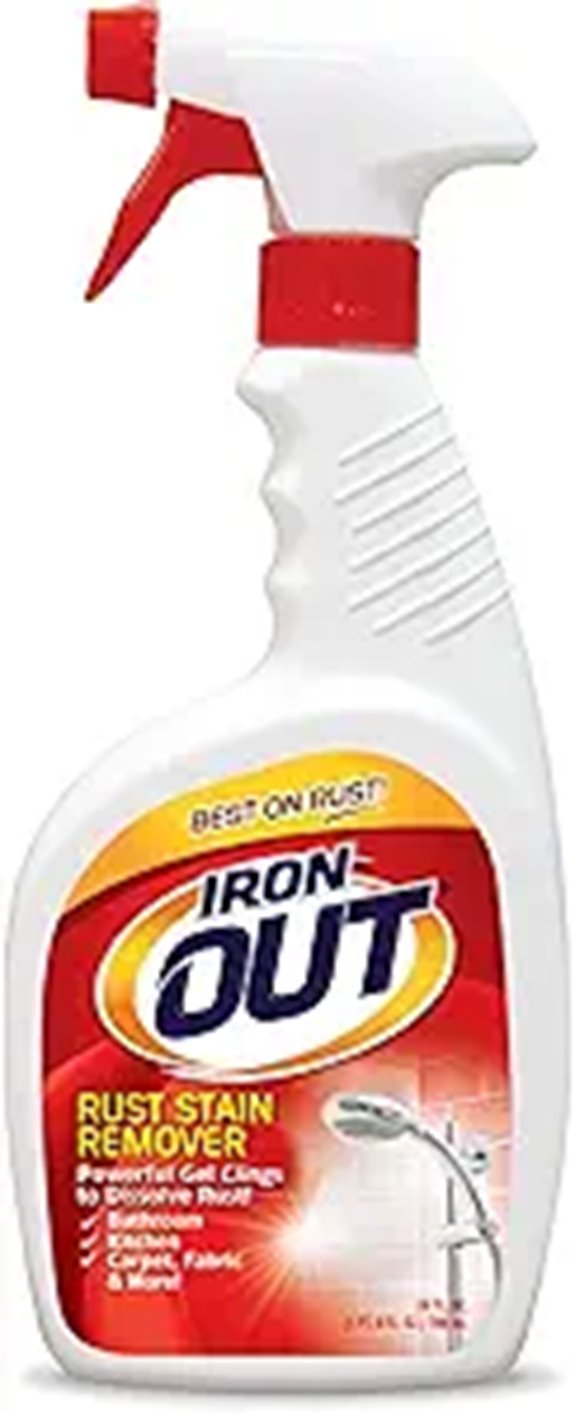
Iron OUT Rust Remover Spray Gel (24 oz) stands out for heavy-duty rust removal in hard-to-reach areas, thanks to its gel that clings to vertical surfaces and dissolves rust on contact. You’ll notice it works across bathrooms, kitchens, laundry, and outdoors, removing stains without harsh scrubbing. This USA-made gel is trusted for over 60 years and rinses away toughest rust stains easily when used as directed. It’s septic-friendly and multi-purpose, suitable for showers, tubs, sinks, toilets, tile, and colorfast fabrics. Use as instructed for best results, especially on vertical or hard-to-reach spots. Satisfaction guaranteed; Iron OUT remains a staple since 1958.
Stardrops – The Pink Stuff – The Miracle All Purpose Cleaning Paste
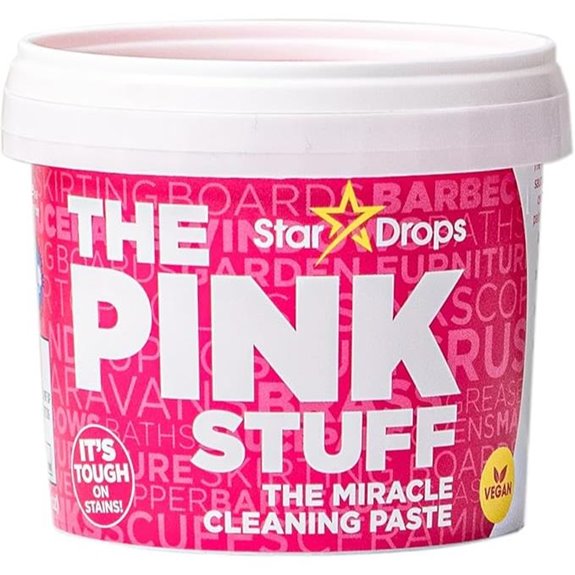
Stardrops The Pink Stuff Miracle All Purpose Cleaning Paste stands out for tackling tough stains with a single paste that’s gentle on surfaces yet powerful on grime, making it the best choice for households aiming to restore tiles and other surfaces without scratching them. You’ll tackle grime effortlessly, as this paste serves as a versatile, ultimate cleaning solution for kitchens, bathrooms, tiles, glass, and stainless steel. It’s gentle yet tough on dirt, removing stubborn stains without damage. Easy to use: apply a small amount to a damp cloth, rub, then rinse for a polished finish and pleasant rhubarb fragrance.
Factors to Consider When Choosing Stain Remover for Tile
When you pick a stain remover for tile, check surface compatibility to avoid damage and ensure you can use it on your specific grout and glaze. Consider the stain types you face and look for products that target coffee, ink, and mineral deposits, plus note whether they work with your cleaning method (spray, gel, or paste). Also weigh acid versus non-acid formulas and the required application time to match your schedule and method, so you get effective results with minimal hassle.
Surface Compatibility Notes
Ever wonder how to pick a stain remover that won’t harm your tile or grout? Look for products labeled safe for grout and tile surfaces to minimize damage to surrounding grout and ceramic or porcelain tiles. For natural or polished stone, favor non-acidic or acid-substitute formulas to prevent etching or dulling finishes. If you have colored grout or delicate surfaces, verify compatibility and whether the formula mentions color-safe or stone-safe use. Seek cleaners that promise deep cleaning and stain lifting without heavy scrubbing to protect tile glaze and grout integrity. Check compatibility across tile types—ceramic, porcelain, natural stone—and note any surface restrictions or broad compatibility claims to avoid surprises after application.
Stain Type Effectiveness
Choosing the right stain remover starts with the type of stain you’re dealing with. For oil stains beneath porous tiles, look for cleaners that use microbes to pull oil up and out without scrubbing. If your concern is grout, acidic formulas can be harsh, so non-acidic options reduce risks to stone, polished surfaces, and colored grout. Rust and hard water mineral stains need specific reagents or gel formulations that cling to vertical surfaces for adequate contact time. For grout haze or embedded grime, choose cleaners labeled for deep-cleaning grout to penetrate and lift-out grime. Some products state whether they tackle fresh versus set-in stains, and older stains may need multiple applications. Match stain type, contact time, and reapplication expectations to your project.
Cleaning Method Flexibility
A key factor is cleaning-method flexibility: pick stain removers that support multiple application styles, such as brushing with a grout brush, applying a paste, or using a steam cleaner for tile grout. You’ll want products that offer deep-cleaning capability, tackling grime and tough grout stains, not just surface dirt. Look for formulas that perform reliably across ceramic, porcelain, and natural stone to avoid compatibility issues on tiled surfaces. Check whether the cleaner specifies minimum dwell time or drying steps, like overnight setting, to maximize effectiveness without constant scrubbing. Also consider if the product handles both fresh and older stains, since older stains may require repeated applications for best results. Choose a versatile option to simplify your cleaning routine and deliver consistent results across your tile surfaces.
Acid vs Non-Acid
When deciding between acid and non-acid stain removers for tile, weigh the risk to sensitive surfaces against cleaning speed. Acid-based grout cleaners can aggressively remove stains but may etch or damage acid-sensitive surfaces like natural stone; non-acid formulas reduce this risk. Acidic cleaners typically provide faster, deeper cleaning for mineral deposits and grout grime, while non-acid cleaners rely on rinsing or neutral pH chemistry for gentler results. For grout with colored or dyed grout, non-acid or acid-free options are preferred to avoid color fading or discoloration. When sealing or protecting stone or polished surfaces, acid-free/non-acid cleaners help preserve the finished surface and any protective coatings. Always check compatibility with the surface type to prevent damage, choosing acid vs non-acid based on tested surface safety.
Application Time Needed
Depth of stain removal often hinges on how long you leave the product on the tile and grout. Many stain removers specify an application time from a few minutes to overnight for deeper stains, so you can tailor dwell time to the job. Some formulas require a waiting period to dry or set before removal rather than immediate rinsing. In certain products, results depend on leaving the surface for 3–5 minutes before wiping, or permitting longer dry times for oil-based stains. Older or tougher stains often need multiple applications, each with its own dwell time. Always follow the labeled dwell time to avoid over-processing or surface damage and to maximize stain removal effectiveness.
Safety and Odor
Safety and odor should top your checklist because harsh fumes or acidic formulas can sting vents and damage tiles. Start with low- or no-acid options to protect delicate surfaces and grout from etching or color loss. Check odor claims, aiming for non-offensive or mild scents so bathrooms or kitchens stay comfortable after use. If you have stone, ceramic, or porcelain, choose products labeled safe for those materials to prevent damage. Biodegradable or environmentally friendly formulations can indicate safer fumes and easier rinsing, though still read the label for rinsing guidance. Consider the type—gel, spray, or paste—as it affects adhesion on vertical surfaces and treatment of hard-to-reach stains without excessive scrubbing. Prioritize safer, friendlier formulas that meet your tile and odor needs.
Maintenance Aftercare
Now that you’ve chosen a stain remover with safety and odor in mind, you’ll want solid aftercare to lock in those results. After you apply the remover, rinse or wipe the area as directed to remove any residue that could attract dirt or affect sealants. Let treated surfaces fully dry before applying any sealant or grout sealer to ensure optimal adhesion and effectiveness. For porous concrete or stone, follow up with a drying period and re-cleaning if remaining stains reappear, since older stains may require multiple applications. Repeated maintenance cleanings can help prevent buildup and maintain the restored look of grout or tile over time. Use a gentle, non-acidic cleaner for routine maintenance to avoid degrading protective coatings.
Commonly Asked Questions
Are These Removers Safe on Natural Stone Tiles?
Yes, not all are safe. You should avoid acidic or abrasive removers on natural stone like marble, travertine, or limestone, since they can etch or dull the surface. Instead, test a diluted, stone-safe cleaner in an inconspicuous area, and follow product instructions. Use pH-neutral formulas labeled for stone, apply gently, and rinse thoroughly. If in doubt, ask the manufacturer or consult a pro before staining or sealing.
Do Products Affect Grout Color or Texture?
Yes, some products can affect grout color or texture. You’ll want to test a small area first, use a stain remover designed for grout, and follow directions carefully. Opt for pH-balanced, non-acidic formulas to minimize color changes. Rinse thoroughly, dry, and inspect before reapplying. If you notice whitening or dark spots, stop and consult the product’s guidelines. Protect surrounding tiles, and consider a grout sealer afterward to maintain consistency.
Are There Odor-Free Stain Remover Options?
Yes, there are odor-free stain remover options. Look for products labeled “low odor” or “no added fragrance,” and choose water-based formulas with milder solvents. You’ll want enzymes for organic stains or peroxide-based lifts that dissipate quickly, not lingering fumes. Be sure to ventilate briefly and test on a hidden area first. It’s a win-win, and you won’t be left holding your nose while you scrub. Trust your nose—pick a gentle, effective option.
Can Stain Removers Be Used on Decorative Tile?
Yes, you can use stain removers on decorative tile, but choose products designed for tile surfaces and test first in a small area. Read labels for compatibility with glaze, enamel, or ceramic finishes, and avoid acidic formulas on unglazed or delicate patterns. Apply gently, follow recommended dwell times, and rinse thoroughly. If your decorative tile is handmade or has unique glazing, consult the manufacturer’s guidance to prevent dulling or damage.
What Disposal Guidelines Apply to These Products?
“Keep it simple” starts you off, but disposal guidelines matter. You should check the product label for specific instructions, then follow local hazardous-waste rules. Many tile stain removers are solvents or acids, so don’t pour them down drains or onto soil. Use dedicated containers; seal tightly; store away from children and pets. Bring leftover product to a hazardous-waste collection site if required. Never mix with cleaners, and clean up spills promptly.